Long-Term Rental Ownership
How Does Long-Term Rental Ownership Actually Work in Las Vegas?
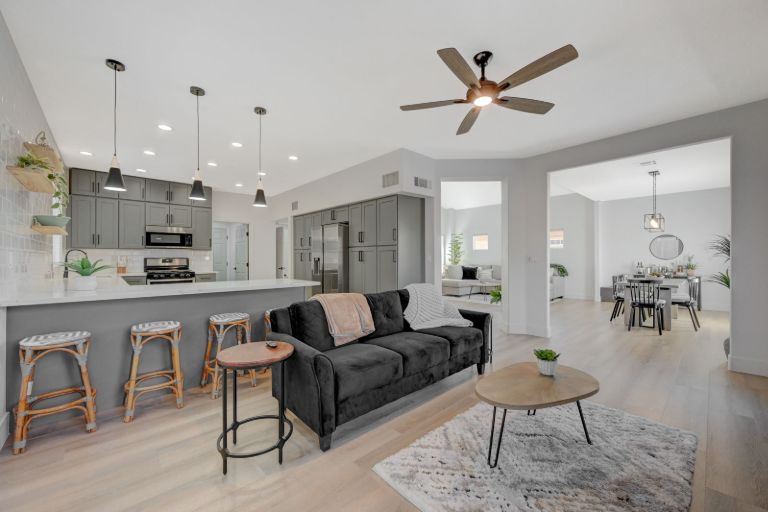
Owning a Las Vegas long-term rental is a multiyear operating process, not simply signing a 12-month lease and collecting rent. The property moves through preparation, leasing, occupancy, maintenance, renewal, and eventual turnover. Rent may arrive monthly, but major ownership costs rarely arrive on the same schedule.

The Ownership Reality
A Long-Term Rental Should Be Evaluated Across Years, Not One Lease
A long-term rental is a residential property leased as a Resident's home rather than operated as short-stay lodging. But the length of the lease is only the beginning of the story. The Owner continues to own an aging physical asset through every month of the tenancy.
Rental income tends to arrive on a predictable monthly schedule. Ownership costs do not. One year may be relatively quiet. Another may bring an HVAC replacement, flooring, an appliance failure, irrigation work, an insurance deductible, HOA work, vacancy, or turnover. Long-term performance makes more sense when those uneven years are evaluated together.
A stable Resident can reduce turnover frequency and make the operating history more predictable, but a long tenancy does not stop the roof, HVAC systems, plumbing, appliances, flooring, landscaping, or other components from aging. Good long-term ownership requires enough financial flexibility to make appropriate decisions when those needs eventually appear.
Rent is only one part of the result
Monthly rent is easy to see. Vacancy, maintenance, capital work, insurance, HOA expenses, and turnover can be less predictable and should be considered across the full holding period.
The house keeps changing while occupied
Systems continue to age during a five-year tenancy just as they do during five separate one-year tenancies. Resident stability reduces turnover. It does not eliminate property ownership costs.
Different years require different judgment
A repair may make sense today while replacement makes more sense after another failure. Renewal may be attractive one year and turnover may be appropriate another year.
The operating record becomes more valuable over time
Maintenance history, condition records, Resident history, HOA matters, invoices, and prior decisions give future renewal and turnover decisions more context.
Rice Real Estate & Property Management
Our primary portfolio is detached single-family rental homes used as long-term residential rentals throughout the Las Vegas Valley. Selected townhomes and condominiums are also managed as long-term rentals. We do not manage short-term or vacation rentals.

Property Fit
Some Las Vegas Rentals Are Easier to Own Long-Term Than Others
Two Las Vegas homes with similar rents can create very different ownership experiences. Layout, HVAC design, HOA involvement, pools, landscaping, irrigation, property age, and specialty systems can all affect how much operational attention a rental requires over time.
Single-story homes often have strong long-term appeal
In our experience, single-story homes tend to attract Residents who may be interested in staying longer. They can work for a wide range of households and avoid some of the temperature-balancing and stair-related issues that come with two-story living. Resident duration still depends on the specific home, price, location, and household needs.
Two-story homes require realistic temperature expectations
Residents relocating from cooler climates do not always expect how difficult it can be to maintain exactly the same temperature upstairs and downstairs when the outdoor temperature reaches 115°F. HVAC design, sun exposure, ceiling height, insulation, and the number and condition of the systems all affect how the home performs.
A pool adds an entire operating system to the property
Pool ownership is more than scheduling weekly service. Las Vegas wind can put debris back into the water shortly after the pool cleaner leaves. Pumps, vacuums, plumbing, controls, heaters when present, tile, plaster, and the physical pool structure also create additional maintenance and replacement exposure.
HOA management can become a continuing operational responsibility
HOA notices need more than forwarding. Someone has to identify the issue, determine whether the next action belongs to the Resident or Owner, control the deadline, document the correction, communicate with the association, and keep following the matter until it is actually resolved.
Our HOA Compliance guide explains how Rice Real Estate & Property Management handles notices, responsibility, correction, documentation, and follow-through.
The important point for a long-term Owner is that HOA involvement does not end when a Tenant moves in. In many Las Vegas Valley communities, association communication and enforcement remain part of the property's ongoing operating environment.

Resident Stability
A Successful Rental Is More Than the Highest Rent Collected
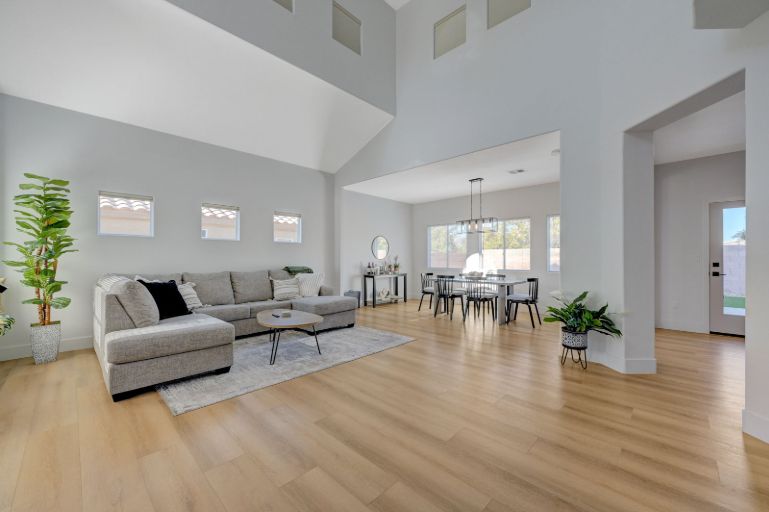
Long-term rental performance becomes easier to understand when the tenancy itself is evaluated over several years rather than one renewal at a time.
When a Tenant has stayed five to seven years or longer, turnover has been minimal, the property has been reasonably cared for, and the rent has remained aligned with the market, I consider that a very successful tenancy and rental experience.
That does not mean rent should remain unchanged indefinitely or that every long-term Resident should automatically be renewed. It means the Owner should evaluate the complete result. A reliable tenancy can avoid repeated vacancy, make-ready work, leasing expense, utility exposure, landscaping costs during vacancy, and the uncertainty that comes with replacing a Resident.
The same principle works in reverse. Keeping a Resident only to avoid turnover is not automatically a good decision if payment history, property care, lease compliance, unresolved HOA issues, or other documented concerns point in a different direction.
Renewal is a property decision, not an automatic event
Before renewal, we want enough history to consider the Resident, current market rent, property condition, maintenance history, HOA matters, turnover exposure, and the Owner's future plans together. Our Resident Retention & Lease Renewal Strategy guide explains how those factors are evaluated together.
For the financial side of replacing a Resident, see Vacancy & Turnover Costs for Las Vegas rental Owners .

During Occupancy
The Property Keeps Aging With Normal Wear Even During a Great Tenancy
One of the easiest mistakes in long-term rental ownership is assuming that a quiet property is a property with no developing costs. A stable Resident may dramatically reduce turnover, but every physical system in the home continues through its own useful life.
HVAC equipment accumulates operating hours. Water heaters, appliances, irrigation components, plumbing fixtures, flooring, paint, roofing, landscaping, pool equipment, and other systems continue to age. Sometimes the right decision is a relatively small repair. At another point, repeated failures or declining reliability can make replacement the better long-term use of the Owner's money.
This is why one expensive year should not automatically be judged in isolation. A rental can perform well for several years and then need a major component replacement. Long-term ownership requires enough reserves and perspective to separate a normal property expense from a preventable operating problem.
Previous repairs improve the next decision
Knowing what failed before, what was repaired, which vendor handled it, and how the system performed afterward can help distinguish an isolated repair from a developing replacement decision.
Occupancy should not create a documentation gap
Move-in records, maintenance photographs, Quality Assurance visits, invoices, Resident reports, and eventual move-out documentation provide context that rent payments alone cannot provide.
For more about repair decisions, vendor coordination, and deciding between repair and replacement, see our Rental Property Maintenance guide . For scheduled visible-condition documentation, see Rental Home Inspections & Quality Assurance .

The Full Ownership Cycle
Long-Term Rental Ownership Is a Cycle, and Everything is Repeatable
A well-operated rental repeatedly moves through the same broad phases. Decisions made in one phase can directly affect the condition, cost, timing, and options available in the next.
Prepare the actual home being offered
Condition, repairs, cleaning, safety, function, landscaping, and property readiness establish the starting point. See our Rent-Ready Rental Homes guide for the physical standard.
Price, market, and lease the finished property
Market positioning, professional presentation, inquiries, showings, Applicant communication, and lease preparation are explained in our Rental Marketing & Leasing guide.
Select and document the tenancy carefully
Applicant qualification and screening should follow consistent, housing-related standards. Our Tenant Screening guide explains the Owner-facing screening process.
Operate and document the property during occupancy
Maintenance, Resident communication, accounting, HOA matters, property condition, and useful records continue after move-in. This is the longest phase of many successful tenancies.
Renew when it still makes sense, then prepare for turnover when it does not
Renewal or turnover should use the history created during occupancy. When a tenancy ends, the property moves back through condition review, preparation, pricing, and leasing again.
Nevada rental requirements can affect every phase of this cycle. See the Nevada Landlord-Tenant Law Compliance Hub for current Nevada landlord-tenant requirements. For date-sensitive supply, demand, and leasing conditions, see our Las Vegas Rental Market Statistics .

Ownership and Management
Professional Management Changes the Workload, Not the Fact of Ownership
A property manager can operate much of the rental cycle, but management does not transfer the underlying property risk away from the Owner.
Rice Real Estate & Property Management coordinates leasing, Applicant review, Resident communication, maintenance, documentation, Quality Assurance visits, HOA matters, Owner accounting, and renewals for the long-term rentals we manage. The Owner still owns the property and remains responsible for major financial decisions, insurance, reserves, capital replacements, property-specific approvals, and the long-term plan for the asset.
For an Owner trying to decide whether those responsibilities are better handled personally or through professional management, see Should You Hire a Property Manager?
Does a long-term lease make a rental property passive?
No. A stable lease can reduce day-to-day Owner involvement and repeated turnover, especially with professional management, but the property still requires maintenance, reserves, insurance, renewals, condition oversight, capital decisions, and an eventual turnover plan.
Are single-story homes better long-term rentals in Las Vegas?
There is no universally best rental layout. In our management experience, however, single-story homes often have strong long-term Resident appeal. The final result still depends on the individual home's location, rent, condition, floor plan, maintenance exposure, and Resident needs.
Are Las Vegas rental homes with pools harder to manage?
Pools add operational complexity. Routine service is only one part of ownership. Wind and debris, pumps, vacuums, plumbing, controls, heaters when present, tile, plaster, water condition, and other components can create additional maintenance and replacement decisions.
What does a successful long-term tenancy look like?
There is no single formula, but a tenancy lasting five to seven years or longer with minimal turnover, reasonable property care, and rent that remains appropriately aligned with the market can represent an excellent long-term rental experience. The complete history of the Resident and property still matters at every renewal.
What should a rental Owner pay attention to over several years?
Look beyond monthly rent. Resident stability, vacancy, property condition, maintenance history, future capital needs, HOA obligations, insurance, documentation, market rent, reserves, renewals, and turnover all contribute to the long-term ownership result.
Want to Discuss the Long-Term Plan for Your Las Vegas Rental?
Rice Real Estate & Property Management provides full-service management for long-term rental houses, townhomes, and condos throughout the Las Vegas Valley. We can review the property, operating considerations, and management needs before deciding whether we are the right fit.