
Las Vegas Valley Resident Guide
How to Care for a Rental House A Resident’s Guide to Preventing Common Maintenance Problems
Practical guidance for taking care of a rental home, preventing avoidable maintenance problems, and knowing when it is time to contact Rice Real Estate & Property Management for help.
Renting a house comes with a few day-to-day responsibilities that may be new if you previously lived in an apartment. Knowing how a few basic parts of the home work can help prevent small maintenance problems from becoming larger ones.
This guide covers the practical home-care issues we see most often in Las Vegas Valley rental houses, including plumbing, water shut-offs, GFCIs, air filters, safety alarms, and desert irrigation.
Take care of routine household upkeep and safely handle the simple items you know how to do. Report larger repairs or anything that appears unsafe to Rice Real Estate & Property Management. Your signed lease and Resident Handbook control when a responsibility differs.
Know the Difference Between Routine Care and a Repair
Residents are not expected to diagnose or repair major home systems. The goal is to handle ordinary upkeep, recognize simple problems, and report larger issues before they become more serious.
Routine Home Care
- Replace HVAC air filters.
- Replace ordinary light bulbs.
- Keep inappropriate materials out of sinks and toilets.
- Reset accessible GFCIs and ordinary tripped breakers.
- Monitor yard irrigation and visible drip emitters.
Report the Problem
- Active plumbing leaks that cannot be stopped.
- HVAC equipment failure.
- Recurring breaker or electrical problems.
- Underground irrigation or valve failures.
- Structural or other professional repair needs.
Property-specific instructions and your signed lease may assign responsibilities differently. When you are unsure, check the Resident Handbook or ask our Resident Services Team.
Prevent Garbage Disposal and Drain Clogs
Many kitchen plumbing problems start with what goes down the sink. A garbage disposal can handle small amounts of soft food residue, but it should not be used as a substitute for the trash can.
When in doubt, throw it out.
Keep These Items Out of the Garbage Disposal
- Coffee grounds
- Cooking grease or oil
- Eggshells
- Oatmeal
- Onion skins
- Potato peels
- Hard foods or bones
- Rice
- Pasta
- Bread
- Large amounts of food scraps
Scrape food into the trash before rinsing dishes or loading the dishwasher. When using the disposal, run cold water before, during, and briefly after it operates.
Protect Sink and Toilet Drains Too
Hair, food scraps, grease, soap residue, and grooming products can slowly restrict drains. Avoid repeatedly pouring chemical drain cleaners into a stubborn clog, and do not use a toilet plunger on a sink drain because the pressure can loosen plumbing connections below the sink.
Baby wipes, personal wipes, cleaning wipes, paper towels, and facial tissues belong in the trash, even when a product is marketed as flushable.
Toilets are for pee, poo, and toilet paper. Keeping everything else out of the toilet is one of the easiest ways to prevent a sewer stoppage.
If a drain remains blocked, repeatedly backs up, or begins leaking, submit a maintenance request rather than continuing to force the clog.
Find Your Water Shut-Offs Before You Need Them
Knowing how to stop the flow of water can help limit damage during a leak. Take a few minutes after move-in to identify the important shut-off valves in your home.
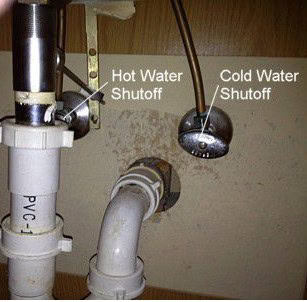
Fixture Shut-Off Valves
- Leaking toilet: look for the shut-off valve behind or beside the toilet.
- Leaking sink or faucet: look for the hot and cold shut-off valves inside the cabinet below the sink.
Main Water Shut-Off
If a significant leak cannot be controlled at the fixture, the home's main water shut-off may need to be used. Main valves look different depending on the property's plumbing.
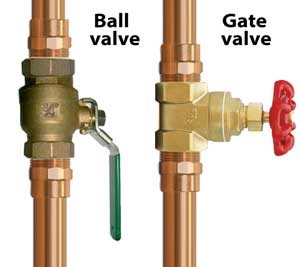
Rice Real Estate & Property Management provides property-specific shut-off information when available. Knowing the location before an emergency is much easier than searching for it while water is running.
If water is actively flowing where it should not be, safely stop the water if you can and report the problem immediately. For an urgent condition, follow our Emergency Maintenance Instructions .
What to Check When an Outlet Loses Power
If one outlet, bathroom, exterior area, or part of the kitchen loses power, the problem may be a tripped GFCI outlet rather than a larger electrical failure.
Start With the GFCIs
GFCI outlets are commonly found in kitchens, bathrooms, garages, and exterior areas. One GFCI can protect several other outlets, so the reset may be in a different room.
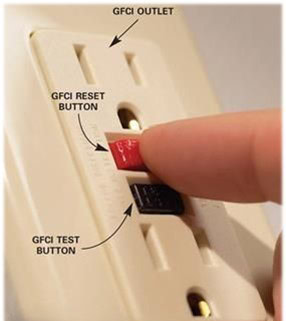
- Locate GFCI outlets in the affected area and in the garage.
- Firmly press the button labeled RESET.
- If needed, press TEST and then RESET.
- Check whether power has returned to the affected outlet.
A garage GFCI may protect outlets in bathrooms, the kitchen, backyard, or other areas. Keep garage outlets accessible rather than covering them with stored belongings.
Avoid using an ordinary garage convenience outlet for a refrigerator, freezer, or other major appliance unless the circuit has been confirmed as appropriate. If a GFCI trips while the appliance is unattended, the appliance can lose power.
Check the Circuit Breaker
If the GFCIs do not restore power, look for a tripped breaker in the electrical panel. A tripped breaker may sit only slightly away from the normal ON position.
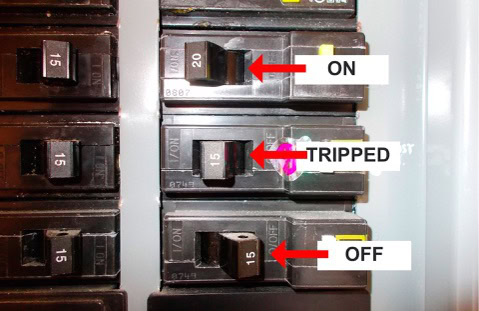
To reset an ordinary tripped breaker, move it fully to OFF and then back to ON.
Do not remove the electrical-panel cover or attempt electrical repairs. If a breaker repeatedly trips, you see sparking, smell burning, or see damaged wiring, stop using the affected area and contact Rice Real Estate & Property Management.
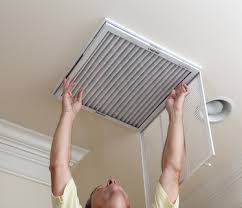
Check and Replace Your Air Filters Regularly
Las Vegas Valley homes collect plenty of dust. A dirty air filter restricts airflow and can make the HVAC system work harder, so filters should be checked routinely rather than forgotten until there is an air-conditioning problem.
A Simple Filter Routine
- Locate the filter grille or filter compartment.
- Check the filter regularly for visible dust and buildup.
- Confirm the correct size before purchasing a replacement.
- Install the replacement with the airflow arrow facing the correct direction and note the replacement date.
Air-filter replacement is generally routine resident maintenance. Follow the replacement schedule in your lease and replace a filter sooner when it becomes noticeably dirty.
A new filter will not fix a mechanical HVAC problem. If the system is not cooling, is leaking, repeatedly shuts off, or otherwise appears to have failed, submit a maintenance request.
Know the Difference Between an Alarm and a Chirp
Rental homes may have ceiling-mounted smoke alarms, carbon monoxide alarms, combination devices, or plug-in carbon monoxide detectors with backup batteries.
Occasional Chirping
Try to identify the device making the sound. If it uses an accessible replaceable battery, replace the battery with the correct new one.
A plug-in carbon monoxide detector can be low on the wall while its chirp sounds as though it is coming from the ceiling.
Repeating Emergency Alarm
Do not stay inside trying to troubleshoot a possible fire or carbon monoxide event. Leave the home and call 911 from a safe location when an alarm is signaling an emergency.
Do not remove, cover, unplug, or leave a smoke or carbon monoxide detector without a working battery because it is chirping. If a new battery does not resolve the issue, submit a maintenance request.
Landscaping and Irrigation Need Regular Attention
Desert landscaping may look low-maintenance, but plants still depend on working drip emitters, correct seasonal watering, and regular observation.
- Keep weeds and landscape debris under control.
- Run the irrigation periodically and walk the yard.
- Look for plants that are not receiving water.
- Check visible drip emitters for clogs or damage.
- Watch for pooling water or unusual wet areas.
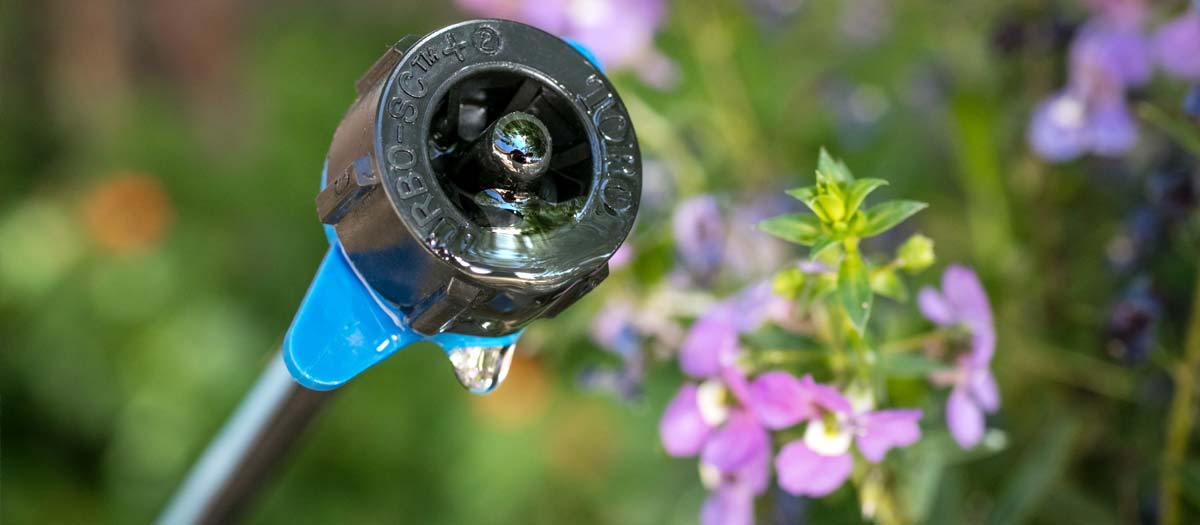
Check the Drip Emitters
Drip emitters are the small irrigation components located near shrubs, trees, and other plants. They can become clogged, disconnected, damaged, or moved over time.
Know How to Use the Irrigation Timer
The irrigation controller is commonly located in the garage. Residents should know how to confirm that it has power and how to review the programmed watering days.
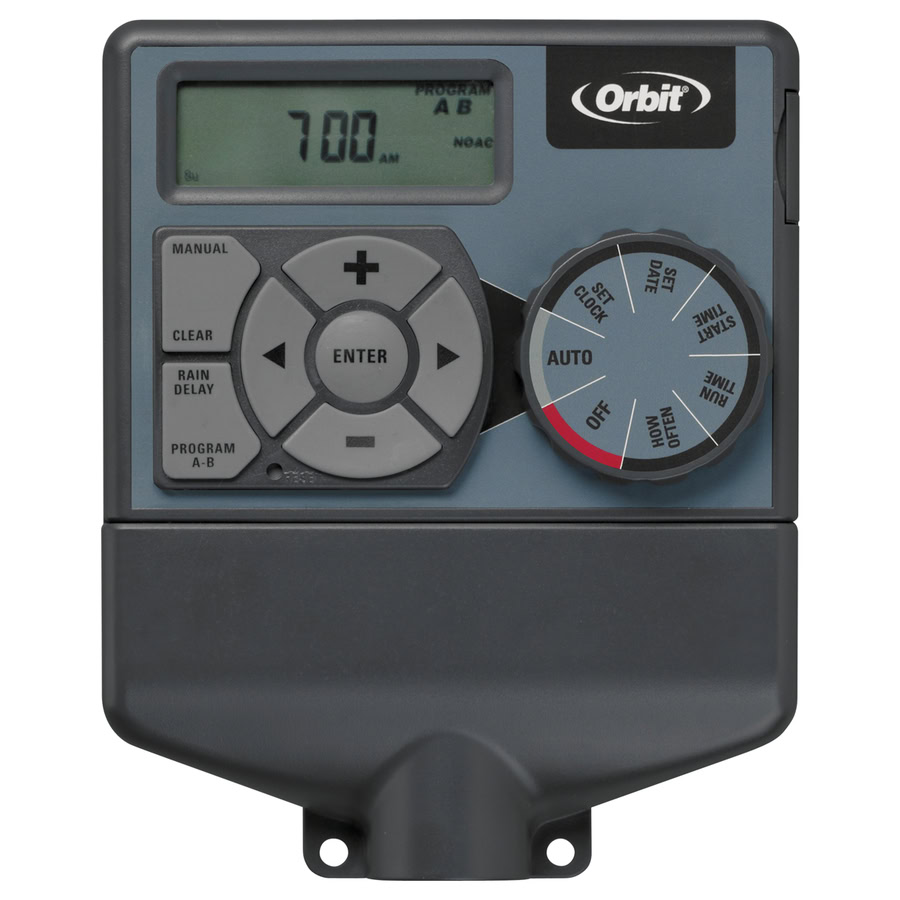
If you are unfamiliar with your controller, look up the manual using its brand and model number.
Watering restrictions change seasonally. Check the Las Vegas Valley Water District mandatory watering schedule when reviewing the irrigation settings.
Minor Drip Issue or Larger Irrigation Repair?
Routine Visible Items
- Clogged drip emitter
- Disconnected emitter
- Small damaged drip head
- Routine timer adjustment
Submit a Maintenance Request
- Broken underground pipe
- Damaged irrigation valve
- Large poly-line failure
- Backflow-device leak
- Water running continuously
For an irrigation repair request, include a close-up photo, a wider photo showing the location, and let us know whether the water runs continuously or only while the irrigation system is operating. This can help the landscaper arrive with the correct parts.
A Few Features Need Their Own Routine Care
These items apply only if they are present at your rental home.
Keep Turf Clean
- Pick up pet waste promptly.
- Rinse frequently used pet areas.
- Use cleaners labeled as safe for artificial turf.
Follow the cleaner manufacturer's instructions and never mix household cleaning chemicals.
Check the Salt
- Check the brine tank every few months.
- Do not allow the tank to become completely empty.
- Follow the equipment manufacturer's instructions.
If you are unsure how the installed system operates, ask through the Resident Center before adjusting it.
Know When to Submit a Maintenance Request
Routine home care can prevent many common problems, but residents are not expected to diagnose or repair major property systems.
Contact Rice Real Estate & Property Management When:
- A plumbing leak cannot be stopped at the fixture.
- A drain remains blocked after basic care.
- A circuit breaker repeatedly trips.
- GFCI resets do not restore power.
- The HVAC system is not operating properly.
- An irrigation problem involves underground pipes or valves.
- A smoke or carbon monoxide detector needs replacement.
For routine repairs, use the Resident Maintenance and Repair Request process. Photos, video, the exact location, and a short description can help our team understand the issue before a vendor is dispatched.
An active leak, fire, gas odor, serious electrical hazard, unsecured exterior, or another immediate safety concern should not wait for a routine maintenance response. Follow our Emergency Maintenance Instructions . If there is an immediate threat to life or safety, leave the danger area and call 911 first.
A Little Routine Care Can Prevent a Lot of Trouble
You do not need to be a plumber, electrician, HVAC technician, or landscaper to take good care of a rental house. The most useful habits are simple:
- Know where important shut-offs and electrical components are.
- Keep inappropriate materials out of drains and toilets.
- Check air filters regularly.
- Periodically walk the yard while the irrigation is running.
- Pay attention when something changes.
- Report larger problems before they become more serious.
Need Help With Your Rental Home?
Current Rice Real Estate & Property Management residents can use the 24/7 Resident Center for maintenance requests, documents, account questions, and other tenancy needs.