
Las Vegas Rental Property Strategy
Match the Rental Property to the Way You Actually Invest
Investment strategy is more than a label such as conservative or aggressive. It is the combination of your hold period, available reserves, desired involvement, renovation appetite, property preferences, and expectations for income and appreciation.
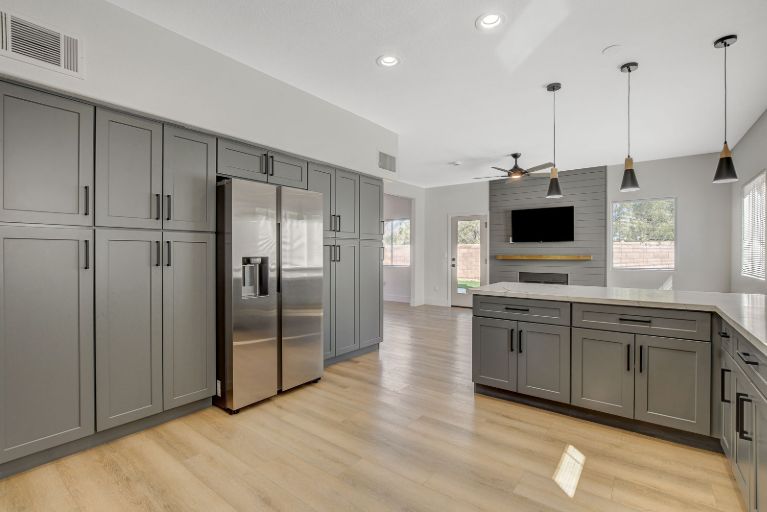
A Useful Investor Quiz Should Measure Tradeoffs, Not Swagger
Real estate investor profiles should not be based on who is willing to take the biggest gamble. A better assessment looks at whether the property, operating demands, financing structure, and expected return fit the Owner’s actual resources and long-term plan.
A newer house with straightforward maintenance may be appropriate for one investor. Another may be comfortable buying an older townhome that needs cosmetic improvements. A third may accept modest initial cash flow because the property offers a reasonable combination of income, location, and long-term appreciation potential.
The Direct Answer
This quiz identifies whether you most closely resemble a Stability-Focused Investor, Balanced Income-and-Growth Investor, or Value-Conscious Long-Term Investor. None is automatically better than the others. The useful question is whether the property you are evaluating supports the strategy you intend to follow.
Before You Begin
Choose the answer that reflects how you would actually make the decision, not the answer that sounds most ambitious. A strategy that works on paper can become uncomfortable when it requires more reserves, renovation oversight, or short-term negative cash flow than the Owner expected.
Take the Las Vegas Real Estate Investor Quiz
Answer all 10 questions. Your result will appear immediately and does not require an email address.
Understanding the Three Investor Profiles
Your quiz result is a starting point for defining acquisition criteria. It is not a recommendation to purchase a specific property, neighborhood, or property type.
Investor Profile 1
Stability-Focused Investor
You place the greatest value on predictable operations, manageable property complexity, strong reserves, and long Resident stays. You are likely to prefer a rent-ready or newer property with supportable rent and fewer immediate capital needs.
Likely Priorities
Straightforward maintenance, conservative financing, clear HOA responsibilities, durable Resident appeal, and professional management with organized reporting.
Important Caution
Stability does not justify overpaying. A newer or easier property can still underperform when the acquisition price, rent assumption, taxes, insurance, or HOA expenses are too high.
Investor Profile 2
Balanced Income-and-Growth Investor
You want the property to produce reasonable current income while also contributing to longer-term portfolio growth. You are comfortable considering several property types and completing selective updates when the numbers support the work.
Likely Priorities
Realistic rent, measured leverage, moderate maintenance exposure, selective improvements, Resident retention, and a credible combination of income and appreciation potential.
Important Caution
A balanced strategy still needs defined priorities. Avoid accepting too many compromises simply because no individual issue appears serious on its own.
Investor Profile 3
Value-Conscious Long-Term Investor
You are willing to evaluate older, overlooked, or cosmetically dated properties when the acquisition price and long-term plan justify the additional work. Your strategy depends on disciplined underwriting, sufficient reserves, and a realistic stabilization period.
Likely Priorities
Purchase basis, inspection findings, renovation scope, major system condition, HOA restrictions, durable improvements, and the property’s appeal to qualified long-term Residents.
Important Caution
A low purchase price is not automatically value. Deferred maintenance, insurance limitations, HOA restrictions, extended renovation time, and unrealistic rent assumptions can eliminate the apparent discount.
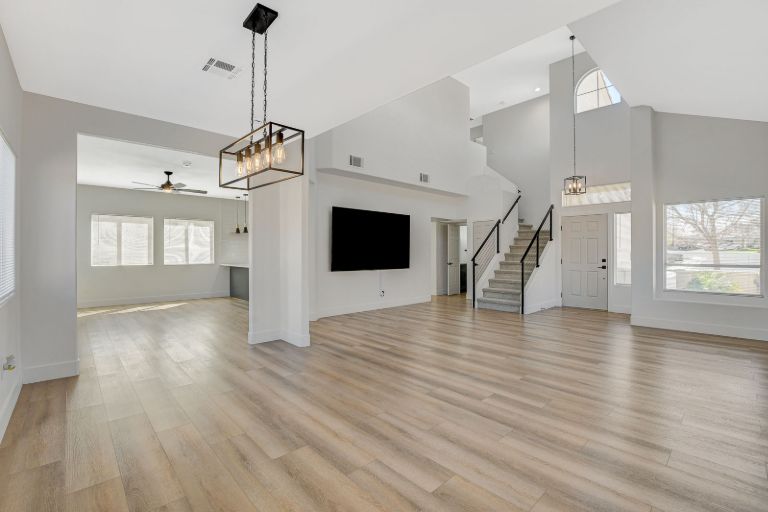
How to Use Your Investor Profile Before Buying
The result becomes useful when it is translated into specific acquisition criteria. It should help you reject properties that do not fit your reserves, timeline, or desired level of complexity.
Define the Property You Can Comfortably Hold
Establish the property type, age range, renovation limit, acceptable HOA structure, reserve requirement, and expected hold period before becoming attached to a listing.
Underwrite the Property as It Exists Today
Use realistic rent, taxes, insurance, HOA expenses, vacancy, management, repairs, and capital reserves. Review real Las Vegas investment-property examples rather than relying only on an advertised rent estimate.
Test the Property Against the Rental Market
Compare the home with current competing rentals, recent leasing activity, Resident expectations, and the cost of vacancy. Rice Real Estate & Property Management maintains updated Las Vegas rental market statistics for this purpose.
Investor Note
The Lowest-Priced Property Is Not Automatically the Best Value
A less expensive property may also have older HVAC equipment, deferred plumbing or roofing work, greater renovation needs, higher HOA complexity, less functional parking, or a layout that limits Resident demand. Acquisition price should be evaluated together with the cost and difficulty of operating the property after closing.
Resident Quality Is Not an Investment Variable to Trade Away
None of these investor profiles depends on accepting weaker applications, rushing the screening process, or treating frequent legal notices as a normal operating strategy. Every rental property benefits from consistent published criteria, careful verification, fraud review, complete documentation, and fair application of the screening process.
An investor may choose an older property, a more affordable neighborhood, or a renovation strategy. That does not change the need for disciplined tenant screening and a property that is safe, functional, properly prepared, and positioned to attract qualified long-term Residents.
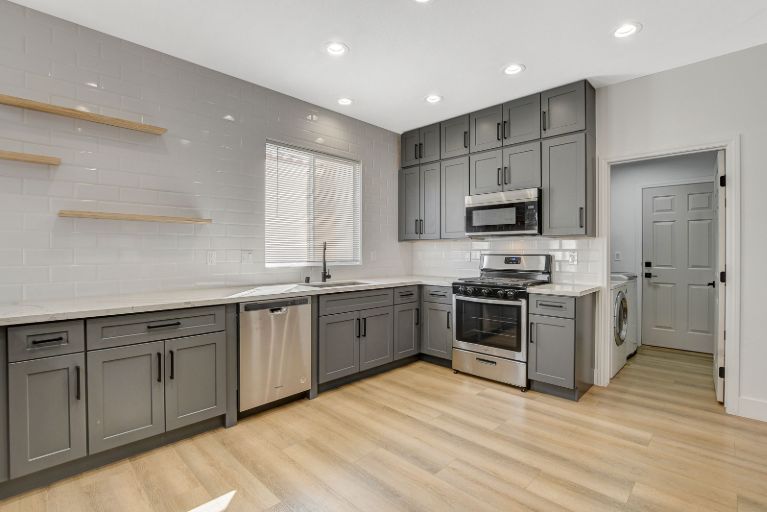
How Rice Real Estate & Property Management Evaluates a Potential Rental Purchase
Rice Real Estate & Property Management works with investors purchasing houses, townhomes, and condos for long-term rental use throughout the Las Vegas Valley. A property review considers more than the sales listing and projected monthly rent.
Relevant questions include the realistic rental range, competing inventory, property condition, major-system age, HOA requirements, insurance considerations, landscaping exposure, rent-ready work, likely Resident profile, and the Owner’s preferred hold strategy.
Investors can also review the complete Las Vegas rental property investor resources , including acquisition examples, rental-market updates, turnover considerations, and long-term property-management guidance.
Evaluate the Property Before You Commit to the Strategy
Rice Real Estate & Property Management can help you consider a potential Las Vegas Valley rental purchase from both a brokerage and long-term property-management perspective.
This quiz is an educational self-assessment and is not financial, investment, tax, legal, lending, appraisal, or insurance advice. Quiz results do not constitute a recommendation to purchase or avoid any property. Property values, rents, financing terms, expenses, condition, and market conditions require current property-specific research.