Dedicated HOA Compliance Department
Las Vegas Property Management With a Dedicated HOA Compliance Department
As part of our full-service residential property management, Rice Real Estate & Property Management manages HOA compliance for the rental homes we oversee throughout the Las Vegas Valley, beginning with tenancy setup and continuing through violation correction and follow-through.
When a new Tenant moves into an HOA community, we contact the association with the property management agreement and lease, provide updated contact information for the Tenant, Owner, and Rice Real Estate & Property Management, and ask about additional forms or community requirements. We also make sure the Tenant has access to the current HOA rules, regulations, and CC&Rs through the Resident portal. If a violation occurs, we track responsibility, deadlines, correction evidence, association communication, and follow-through.
Before the Resident Moves In
HOA Compliance Often Starts Before the Tenancy Does
For rental homes in HOA communities, the compliance process often begins before the Tenant receives possession. Rice Real Estate & Property Management contacts the association, provides the applicable management and tenancy documentation, updates contact information, and identifies any additional requirements that need to be completed.
Setting this up correctly matters. The Tenant needs the community rules, the association needs accurate records, and future HOA notices need a clear path to the people responsible for responding.
HOA Registration & Contact Records
We contact the association with the property management agreement and Tenant lease and provide current contact information for the Tenant, Owner, and Rice Real Estate & Property Management. We also verify the contact information the association has on file and request that violation notices and property-management communication include the appropriate parties whenever the association's process allows.
Owner Forms & Community Requirements
We ask whether the association requires additional Owner forms, Tenant registration documents, vehicle information, gate-access records, or other community-specific paperwork. When an Owner signature or decision is required, we bring the Owner in with the information needed to complete it.
HOA Rules, Regulations & CC&Rs
We make sure the Tenant has access to the current HOA rules, regulations, and CC&Rs available for the property. These documents are shared with the Tenant and uploaded to the Resident portal so the community requirements remain accessible during the tenancy.
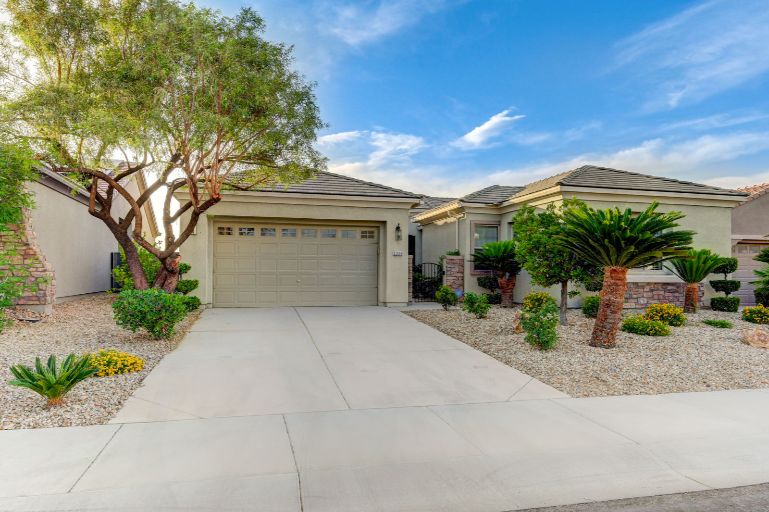

Dedicated HOA Compliance Department
We Manage More Than Violation Notices
HOA compliance is an ongoing part of managing many Las Vegas Valley rental homes. Our department helps keep association communication, Tenant requirements, compliance issues, and Owner decisions connected throughout the tenancy.
HOA requirements operate alongside Nevada landlord-tenant law rather than replacing it. See our Nevada Landlord-Tenant Law Compliance Hub for the relationship between NRS Chapter 116, NRS Chapter 118A, and other rental-property requirements.
HOA Communication
We communicate with the association or community manager regarding routine property-management matters and follow up when additional information or action is needed.
Tenant Registration
We coordinate HOA-required Tenant registration, occupancy documentation, lease information, vehicle details, gate-access information, and related forms when applicable.
Community Requirements
Applicable HOA rules, access requirements, and community-specific expectations are shared with the Tenant as part of managing the tenancy and remain available through the Resident portal.
Violation Notices
When a violation arrives, we review what the HOA is reporting, determine the appropriate next step, track the correction timeframe, and communicate with the Tenant or Owner as needed.
Corrections & Documentation
We coordinate correction evidence, photographs, vendor information, status updates, extension requests, or other supporting information when appropriate.
Ongoing Follow-Through
A matter is not treated as finished simply because a notice was forwarded or someone said the correction was completed. We continue the HOA communication and follow-up when additional action or documentation is still needed.
When a Violation Arrives
Tenant Issue or Owner Issue? We Sort That Out Too.
An HOA notice does not automatically tell an Owner who is responsible under the lease or who needs to take the next step. Rice Real Estate & Property Management reviews the notice, property facts, lease, and available records before coordinating the response.
When the Tenant Needs to Correct It
Some HOA concerns involve conduct or upkeep that falls within the Tenant's responsibilities under the lease. We communicate the issue, explain what needs attention, track the correction timeframe, and follow up on the required resolution.
Common examples may include:
- Trash or recycling containers left in view
- Improper parking or vehicle-related concerns
- Routine weeds or Tenant landscaping responsibilities
- Items, debris, or equipment stored in view
- Community conduct or amenity-rule violations
When the Property Needs Attention
Other notices involve property condition, maintenance, replacement, exterior work, or association approval. In those situations, we bring the Owner in with the information needed to make the appropriate decision.
Common examples may include:
- Exterior paint, stucco, fascia, or lighting
- Dead or missing landscaping requiring replacement
- Irrigation or exterior maintenance issues
- Trees or landscaping beyond Tenant responsibility
- Permanent changes requiring HOA approval
The Rice Difference
Forwarding an HOA Notice Is Not the Same as Managing It
Sending an HOA letter to an Owner or Tenant is easy. The part that matters is what happens afterward.
Someone still needs to understand the notice, determine who needs to act, control the correction deadline, verify that the issue was addressed, communicate with the HOA, and keep following the matter when the first response does not finish it.
Owner Communication
We Take the Lead, Then Bring the Owner In When Their Direction Matters
Routine HOA communication should not require the Owner to serve as the messenger. Rice Real Estate & Property Management handles the property-management side of HOA communication for the rental homes we manage and contacts the Owner when a decision, authorization, expense, or property-level issue actually requires their direction.

Owner Questions
HOA Compliance & Rental Property Management FAQs
These are some of the questions Owners commonly have about managing a rental home inside an HOA community.
Do you handle HOA Tenant registration when a new lease begins?
Yes. Rice Real Estate & Property Management contacts the association, provides the applicable property management agreement and Tenant lease, updates contact information for the parties involved, and asks about any additional Owner forms, Tenant registration documents, vehicle information, gate-access requirements, or other community-specific paperwork.
Does the Tenant receive the HOA rules and CC&Rs?
Yes. We make the current HOA rules, regulations, and CC&Rs available to the Tenant and upload the applicable documents to the Resident portal so the community requirements remain accessible during the tenancy.
Who receives HOA violation notices for the rental property?
When the tenancy is established, we provide the association with current contact information for the Tenant, Owner, and Rice Real Estate & Property Management. We verify the information the HOA has on file and request that appropriate property-management and violation communication include the relevant parties whenever the association's procedures allow. The association ultimately controls its own notice and delivery procedures.
What happens if the HOA sends a violation directly to the Owner?
Forward the complete notice to Rice Real Estate & Property Management so we can review and process it. We also check the association's contact records as part of the follow-up so outdated or incomplete contact information can be corrected when possible.
What happens when you receive an HOA violation notice?
We review the reported condition, correction requirements, and deadline, determine whether the Tenant, Owner, or another process needs to address it, communicate the required next step, and track the matter through correction evidence and HOA follow-through.
What if the Tenant does not provide a resolution photo?
Our process does not stop because the requested photograph was not received. LeadSimple triggers follow-up reminders based on the allowed correction timeframe. If the Tenant does not provide the required resolution documentation, Rice Real Estate & Property Management may go to the property to document the condition. If the violation remains unresolved, we coordinate the appropriate vendor when needed, obtain resolution photographs, submit the supporting information to the HOA, and continue the follow-up.
How do you determine whether the Tenant or Owner is responsible?
We consider the lease, HOA notice, property facts, available records, maintenance history, and nature of the correction. The wording of an HOA notice does not by itself determine lease or financial responsibility.
What happens if a correction needs more time?
When appropriate, Rice Real Estate & Property Management can communicate the status to the HOA and request additional time. The association decides whether an extension, waiver, or other request is approved.
Can you guarantee that an HOA fine will be waived?
No. The association controls its fines, hearings, waivers, approvals, and enforcement decisions. Our role is to provide organized communication, correction information, supporting documentation, and follow-through on the property-management side of the matter.
Is HOA compliance handling included in property management?
Routine HOA communication, Tenant registration coordination, and violation handling are included as part of full-service property management for homes managed by Rice Real Estate & Property Management. Owner-responsibility repairs, vendor costs, association charges, fines, architectural-review costs, and legal services remain separate property expenses when applicable.
Your Property Manager Should Manage the HOA Details Too
For Owners of rental homes in HOA communities, good property management includes the details between the association, the Tenant, the Owner, and the property itself. Rice Real Estate & Property Management takes the lead on HOA registration, communication, compliance notices, correction documentation, and follow-through so the Owner does not have to manage that relationship alone.