Long-Term Rentals in Las Vegas: An Owner’s Guide

Long-Term Rentals in Las Vegas: An Owner’s Guide

Long-Term Rental Ownership

What Makes a Las Vegas Long-Term Rental Work?

Long-term rental performance depends on much more than signing a one-year lease. Rental pricing, property condition, Resident selection, maintenance, documentation, vacancy, renewals, and ownership costs all shape the final result.

Owner and Investor Guide Houses, Townhomes, and Condos Las Vegas Valley

Looking for a rental home rather than Owner information? Review current homes for rent and the application requirements .

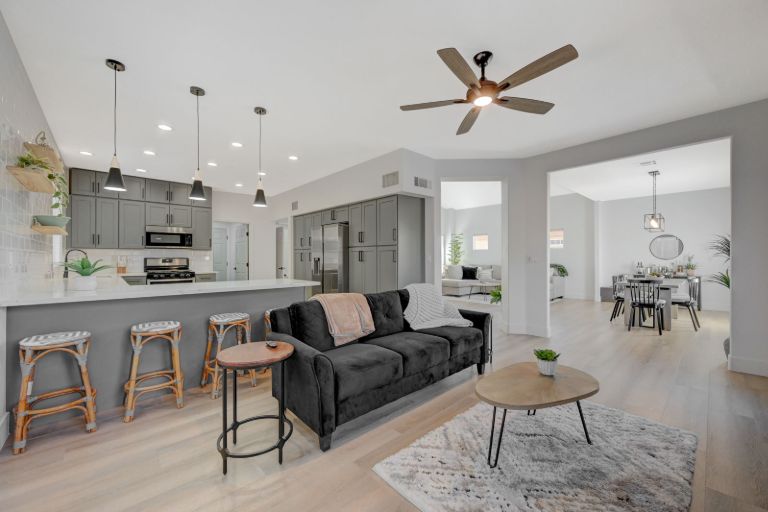
Updated Las Vegas house prepared for long-term rental occupancy
A competitive long-term rental should be clean, functional, accurately priced, and ready for a qualified Resident to accept.

The Direct Answer

What Is a Long-Term Rental in Las Vegas?

A long-term rental is a house, townhome, condo, or other residential property leased as a Resident’s home rather than operated as nightly or short-stay lodging. Standard lease terms are commonly one year, although the appropriate term depends on the property, the Resident, and the Owner’s plans.

Rice Real Estate & Property Management manages houses, townhomes, and condos used as long-term residential rentals throughout the Las Vegas Valley. We do not manage vacation rentals or short-term rental properties.

The important distinction: A long-term lease may create a more predictable operating structure, but it does not make the property automatically profitable or passive. The home still has to be priced, prepared, leased, maintained, documented, and renewed with care.

Ownership Strategy

Why Owners Choose Long-Term Rentals in Las Vegas

Long-term rental ownership appeals to investors and homeowners who want residential income without operating a furnished hospitality business. Instead of managing reservations, guest turnover, nightly pricing, furniture, supplies, and repeated cleaning, the Owner works through a residential leasing cycle.

More predictable occupancy: A fixed-term lease establishes an expected occupancy period and monthly rent structure.
Fewer turnovers: A stable Resident may remain for several lease terms, reducing the frequency of cleaning, vacancy, leasing, and make-ready work.
Broader property options: Houses, townhomes, and condos may all work as long-term rentals when the location, condition, HOA rules, expenses, and market rent support the strategy.
A residential operating model: The focus is on selecting a qualified Resident, protecting the property, controlling vacancy, and making sound decisions over a longer holding period.
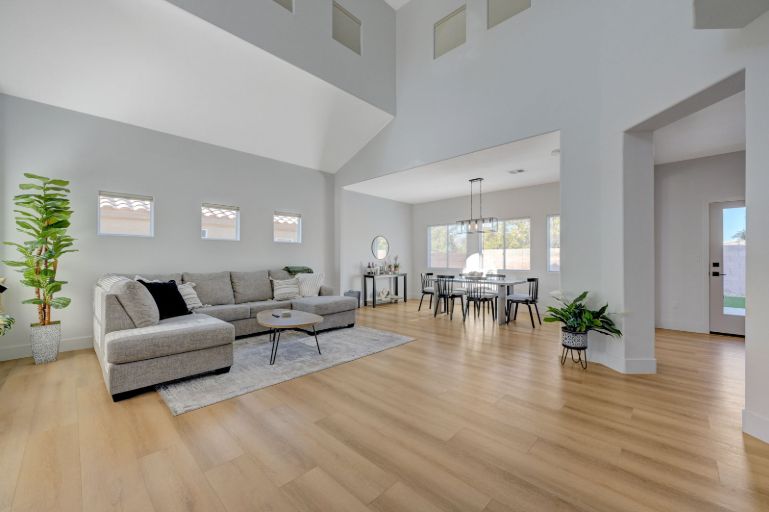
Open living and dining area in a Las Vegas long-term rental home
Functional layouts, neutral condition, natural light, and usable living areas can support broad long-term Resident appeal.

Property Selection

Houses, Townhomes, and Condos Perform Differently

There is no single property type that is automatically the best long-term rental in Las Vegas. Each property should be evaluated according to its acquisition cost, expected rent, expenses, physical condition, Resident appeal, HOA restrictions, and long-term maintenance exposure.

Detached Houses

Broad appeal with more property-level responsibility

Detached houses may appeal to households seeking garages, private yards, additional bedrooms, and more separation from neighboring homes. Owners should also account for landscaping, irrigation, exterior condition, roofing, multiple HVAC systems, larger flooring areas, and other components that can increase long-term maintenance costs.

Townhomes

Lower exterior responsibility, but greater HOA involvement

Townhomes may provide a balance between residential space and reduced exterior maintenance. The Owner still needs to review parking rules, common-area responsibilities, rental restrictions, landscaping boundaries, HOA insurance, and which building components belong to the Owner rather than the association.

Condos

A smaller physical footprint does not eliminate risk

Condos can offer lower purchase prices in some submarkets and fewer Owner-controlled exterior components. However, rental caps, HOA approvals, common plumbing, elevators, parking, access systems, special assessments, association insurance, and neighboring units may affect both operating costs and Resident experience.

Investor Note

Review the full HOA package before purchasing or converting a property to a rental. Monthly dues are only one part of the analysis. The governing documents, rental restrictions, insurance structure, maintenance boundaries, pending assessments, and enforcement history may matter just as much.

Operating Performance

Six Decisions Shape Long-Term Rental Performance

Appreciation and market conditions matter, but Owners and property managers have more direct control over the daily operating decisions that protect occupancy, property condition, and cash flow.

Set a supportable rental price

Rent should be based on current competing homes, recent leasing activity, property condition, location, features, and Applicant response. An Owner’s mortgage payment or desired return does not determine market rent.

Finish the home before marketing

Applicants evaluate the property that exists today. Repairs, cleaning, paint, flooring, landscaping, appliance decisions, and other approved work should be completed before professional photographs and showings begin.

Use documented and consistent screening

Income, credit, debt, rental history, payment history, employment stability, background information, and available reserves should be reviewed under published qualification standards and applicable fair housing requirements.

Document the property at possession

The lease, condition report, photographs, keys, remotes, insurance records, utility responsibilities, pet or animal records, and move-in communications should create a usable starting record for the tenancy.

Manage maintenance before small issues expand

Las Vegas heat, plumbing leaks, irrigation failures, roofing, water heaters, appliances, landscaping, and HOA-sensitive conditions can become more expensive when follow-up is delayed or documentation is incomplete.

Plan renewals before the lease expires

Renewal decisions should consider market rent, Resident performance, property condition, future maintenance, turnover cost, vacancy risk, and the Owner’s expected holding period.

Owners can review Rice Real Estate & Property Management’s separate guides to preparing a rent-ready home , tenant screening , and rental home inspections .

Investment Analysis

Calculate More Than the Monthly Rent

Gross rent is not the same as net rental income. An Owner evaluating a Las Vegas long-term rental should identify the recurring and irregular expenses that may affect the property over the full ownership period.

A Practical Rental Property Formula

Gross scheduled rental income Less vacancy and unpaid balances, management and leasing expenses, maintenance, capital replacements, property taxes, landlord insurance, HOA dues, SID or LID assessments, utilities during vacancy, landscaping, and turnover costs. Equals the property’s operating result before financing, depreciation, income taxes, and appreciation.

A newer property may have fewer immediate repairs but a higher acquisition cost, property tax bill, HOA expense, or SID and LID assessment. An older property may appear to provide a stronger rent-to-price relationship while carrying greater exposure to HVAC, plumbing, roofing, flooring, appliances, and deferred maintenance.

Review representative Las Vegas investment property examples for a property-level look at purchase prices, target rents, taxes, insurance, HOA expenses, and maintenance considerations.

Vacancy and Turnover

The Highest Advertised Rent Is Not Always the Best Result

Owners sometimes focus on obtaining the highest possible monthly rent while underestimating the cost of waiting for that rent. Vacancy can include lost income, utilities, landscaping, pool service when applicable, cleaning, maintenance, advertising, leasing expenses, and the risk of an unoccupied property.

A competitively priced home that attracts a qualified Resident may outperform an overpriced home that remains vacant while the Owner waits for the market to support an unsupported number.

Investor Note

Compare the potential annual benefit of a higher rent against the cost of additional vacant days. One avoidable month of vacancy can erase a modest monthly rent increase for an entire lease term.

Because conditions change, use the current Las Vegas rental market statistics rather than placing temporary inventory and leasing figures inside this evergreen guide.

The Rental Lifecycle

Long-Term Property Management Continues After the Lease Is Signed

Leasing is only one phase of rental ownership. The operating record created during the tenancy often determines how clearly an Owner can evaluate maintenance, Resident performance, renewal decisions, and eventual turnover.

Before Marketing

Evaluate, prepare, price, and photograph the home

Review condition, safety, function, HOA requirements, insurance, rent comparables, maintenance concerns, showing readiness, and the Owner’s expected timing before advertising begins.

During Leasing

Market accurately and review completed applications

Advertising should accurately represent the property. Applicant communication, showing records, qualification standards, screening, approvals, deposits, and lease preparation should be organized and consistently documented.

At Move-In

Create the starting condition record

The Resident should receive a functioning home, clear responsibilities, utility instructions, maintenance information, access devices, required disclosures, and an opportunity to document the property’s starting condition.

During Occupancy

Manage rent, maintenance, inspections, HOA issues, and records

Day-to-day management includes more than answering repair calls. It includes follow-up, invoices, Owner approvals, Resident communication, vendor access, lease enforcement, inspection records, accounting, and documentation of unresolved items.

At Renewal or Turnover

Choose the next step using the complete operating history

The Owner should consider payment history, lease compliance, property condition, current rent, competing listings, maintenance needs, turnover cost, future ownership plans, and applicable notice requirements before deciding whether to renew.

Nevada Responsibilities

Nevada residential rental relationships are governed by written lease terms, state law, federal law, local requirements, and applicable HOA governing documents. A lease cannot eliminate responsibilities imposed by law, and informal management practices do not excuse inconsistent treatment or poor documentation.

Residential landlord and tenant law: Nevada Revised Statutes Chapter 118A addresses residential rental agreements, security deposits, habitability, notices, landlord access, remedies, and other landlord and tenant responsibilities.
Fair housing: Advertising, screening, leasing, rules, renewals, accommodations, and enforcement must comply with applicable federal fair housing requirements and Nevada law.
HOA rules: The lease should address Resident compliance, but the property Owner remains responsible to the association under the governing documents.
Insurance: A standard homeowners policy may not be appropriate once a home is used as a rental. Owners should discuss landlord coverage, liability limits, loss-of-rent coverage, pools, animals, and other property-specific risks with a qualified insurance professional.

This article provides general property management information and is not legal, tax, accounting, insurance, or investment advice. Owners should consult the appropriate licensed professional regarding their property and circumstances.

Common Owner Errors

Mistakes That Can Reduce Long-Term Rental Performance

Pricing the home according to the mortgage payment rather than current rental comparables.
Advertising before repairs, cleaning, flooring, paint, appliances, or landscaping are complete.
Using informal or inconsistent Applicant screening standards.
Failing to create detailed move-in and maintenance records.
Deferring leaks, HVAC concerns, irrigation failures, roofing issues, or HOA violations until the cost becomes larger.
Focusing on the highest possible renewal increase without comparing Resident retention, vacancy, turnover, and property condition.
Operating without sufficient cash reserves for normal maintenance, vacancy, insurance deductibles, or major component replacement.

Professional Management

When Does a Las Vegas Long-Term Rental Need a Property Manager?

Not every Owner needs professional management. An Owner who lives locally, understands Nevada rental law, maintains consistent screening and documentation, has reliable vendors, and has time to respond may choose to self-manage.

Professional management becomes more valuable when the Owner lives outside Nevada, has a demanding career, owns multiple properties, is converting a former residence into a rental, inherits an occupied property, or wants a local operating system for leasing, maintenance, accounting, inspections, HOA matters, and renewals.

Rice Real Estate & Property Management

Rice Real Estate & Property Management provides long-term residential property management for houses, townhomes, and condos throughout the Las Vegas Valley. Our work includes rental pricing, professional marketing, Applicant review, lease preparation, maintenance coordination, Owner accounting, property documentation, Quality Assurance visits, HOA follow-up, and lease renewals.

We are selective about new properties and Owner relationships so the service model, property condition, timing, communication expectations, and long-term ownership goals are aligned before management begins.

Review property management pricing and services or visit the Las Vegas rental property investor resource hub .

Owner Questions

Long-Term Rental FAQs

How long is a standard residential lease in Las Vegas?

A one-year fixed lease is common for long-term residential rentals. The appropriate lease term depends on the property, market conditions, the Resident, and the Owner’s plans. Rice Real Estate & Property Management standard lease terms are generally one year.

Are long-term rentals better than short-term rentals?

They are different operating models. Long-term rentals generally involve residential leasing, fewer turnovers, and an unfurnished home occupied as the Resident’s primary residence. Short-term rentals involve licensing, transient occupancy, furniture, supplies, reservations, cleaning, guest management, and jurisdiction-specific rules. Rice Real Estate & Property Management manages long-term residential rentals only.

What type of Las Vegas property makes the best rental?

There is no universally best property type or neighborhood. Evaluate the specific home’s purchase price, realistic rent, property taxes, insurance, HOA expenses, SID or LID assessments, condition, layout, parking, maintenance exposure, rental restrictions, and likely Resident demand.

Can I rent out my former Las Vegas home?

Many homeowners convert a prior residence into a long-term rental. Before marketing, review expected rent, property condition, insurance, mortgage restrictions when applicable, HOA rules, maintenance needs, cash reserves, tax considerations, and whether self-management or professional management is the better fit.

How quickly should a Las Vegas rental home lease?

Leasing time depends on price, location, property condition, season, competing inventory, showing availability, marketing, and Applicant demand. Review current market data and property- specific comparables rather than relying on a fixed citywide leasing-time promise.

Does Rice Real Estate & Property Management manage condos and townhomes?

Yes. Rice Real Estate & Property Management manages houses, townhomes, and condos used as long-term residential rentals throughout the Las Vegas Valley. Each property is reviewed for condition, location, HOA requirements, rental restrictions, and fit with the company’s management model.

Does hiring a property manager make a rental passive?

A property manager can handle most daily operations, but the Owner still makes important decisions involving repairs, replacements, insurance, pricing, renewals, capital improvements, and long-term investment strategy. Professional management can reduce the Owner’s daily workload, but real property ownership still requires financial oversight and informed decisions.

Considering a Long-Term Rental in the Las Vegas Valley?

Rice Real Estate & Property Management helps homeowners, accidental landlords, out-of-state Owners, and real estate investors evaluate, prepare, lease, and manage houses, townhomes, and condos used as long-term residential rentals.

Heidi Rice
Heidi Rice
Broker and Lead Property Manager
www.ricelasvegas.com/

Heidi Rice is the broker and lead property manager at Rice Real Estate & Property Management. The company manages houses, townhomes, and condos used as long-term residential rental properties throughout the Las Vegas Valley, with a focus on direct communication, careful oversight, tenant retention, and long-term property performance.