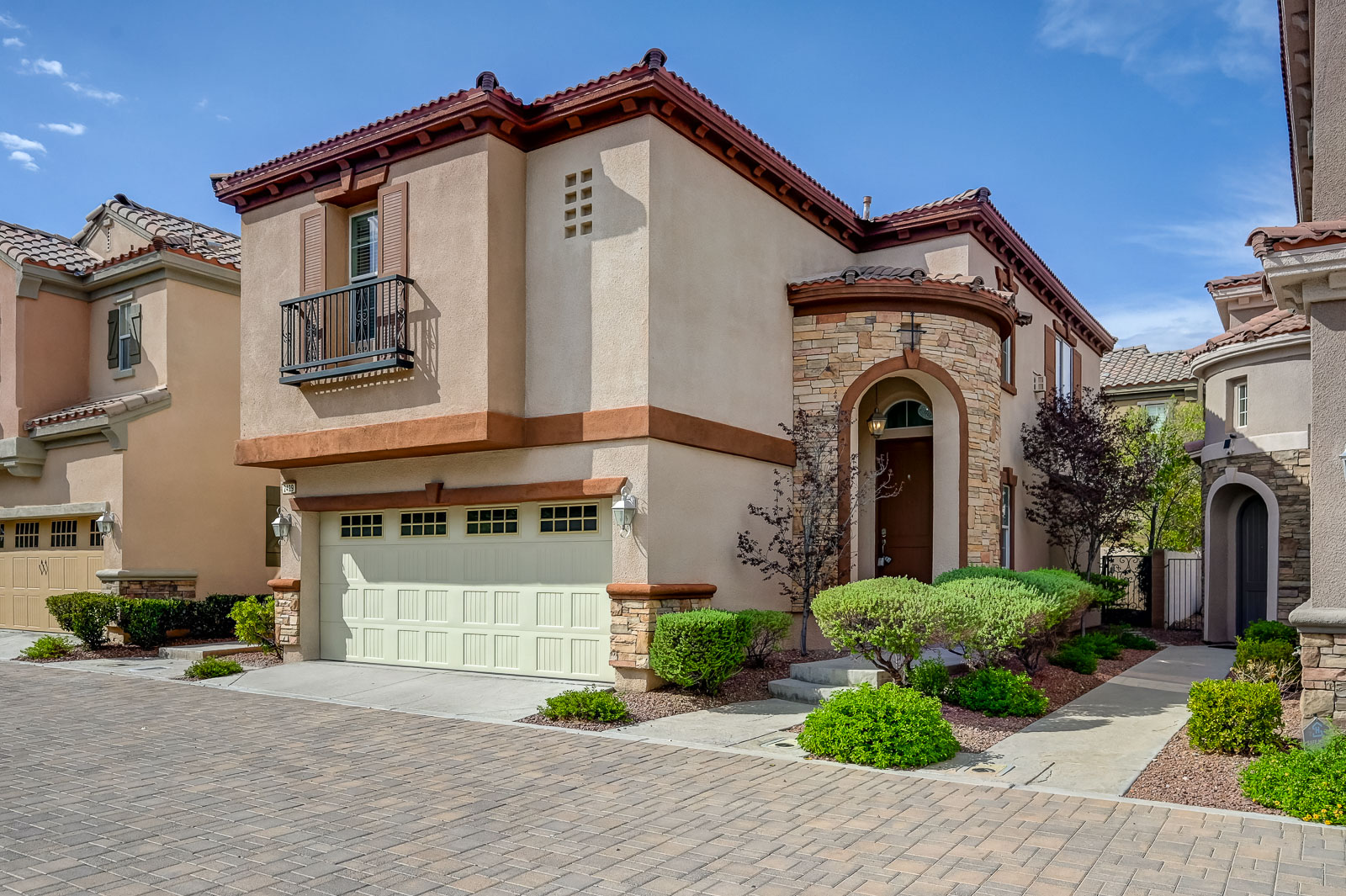
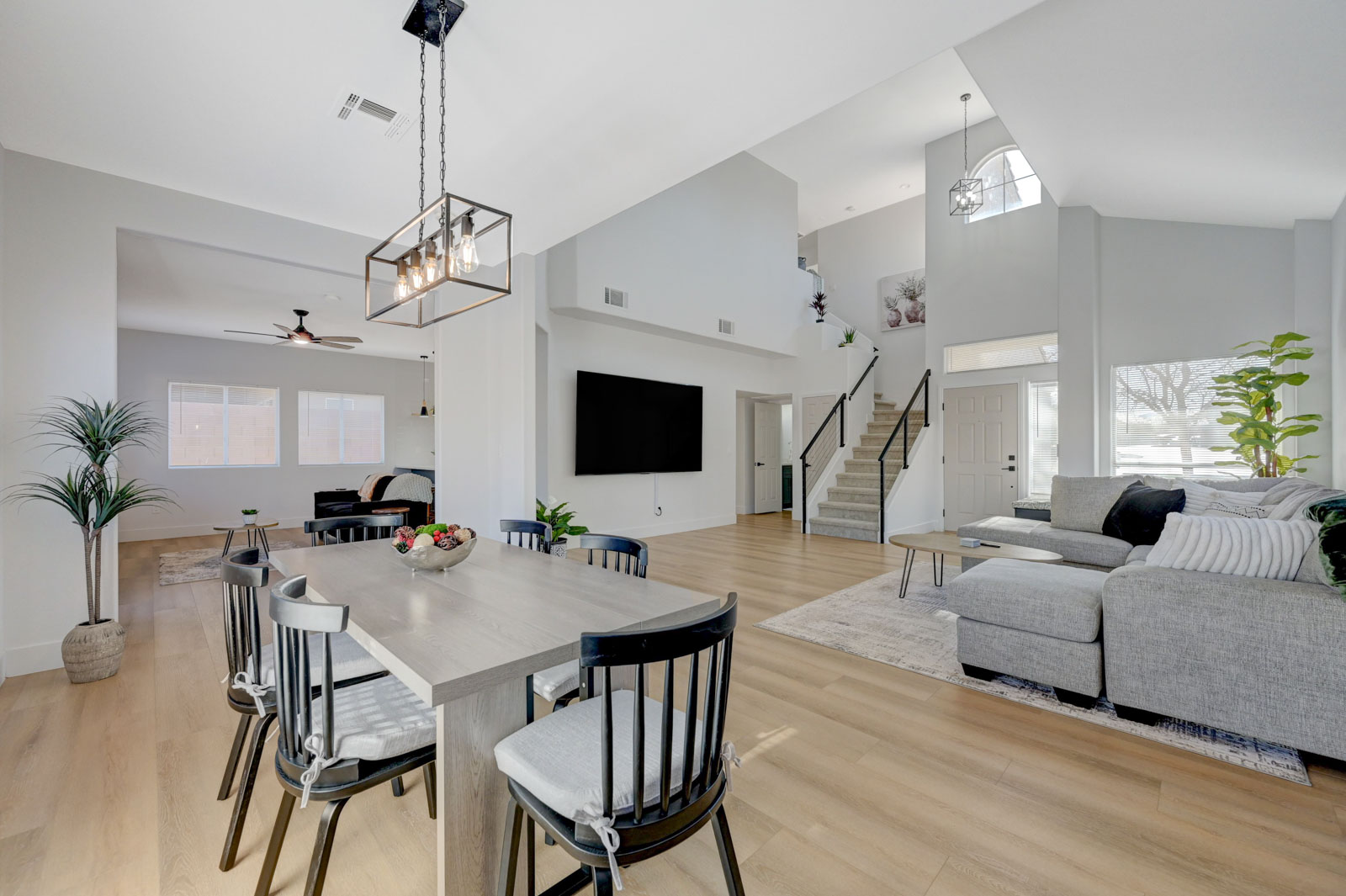
Las Vegas Valley Investment Area Guide
Where to Invest in Las Vegas Real Estate for Long-Term Rentals
Compare Summerlin, Green Valley, Henderson, and other Las Vegas Valley areas by acquisition price, realistic rent potential, property age, HOA structure, maintenance exposure, and long-term management needs. Rice Real Estate & Property Management is a property-management-led residential company and licensed Nevada brokerage. Investor acquisition is a specialized service within our broader property management business. Heidi Rice selectively helps investors evaluate and purchase single-family houses, townhomes, and condos that fit a practical long-term rental ownership and management strategy.
- Las Vegas, Henderson, and Summerlin
- Single-Family Houses, Townhomes, and Condos
- Broker and Property Manager Review
- 1031 Exchange Coordination
- Purchase Through Long-Term Management

This page provides general location and property-selection guidance. It is not an appraisal, property inspection, investment recommendation, tax opinion, rent guarantee, or projection of future property performance.
The Direct Answer
Where Is the Best Place to Buy Rental Property in Las Vegas?
There is no single best Las Vegas neighborhood for every rental property investor. The right area is where the acquisition price, realistic rent, property condition, HOA structure, maintenance exposure, and future resale flexibility align with the Owner’s goals.
Summerlin may fit an investor seeking highly planned neighborhoods, community amenities, newer housing options, and premium rental positioning. Green Valley and Henderson provide a broader mix of established and newer homes, varied price points, and different HOA structures. Other parts of Las Vegas and North Las Vegas may offer different acquisition profiles, but require careful subdivision-level and property-level review.
Investor Note: Buy the Operating Profile, Not Just the ZIP Code
A recognized neighborhood name does not correct an unsupported rent, an overpaid purchase, aging systems, excessive HOA costs, an awkward floor plan, or significant deferred maintenance. The location and the individual property must work together.
Location Comparison
Summerlin, Henderson, and the Broader Las Vegas Valley
These area profiles are general starting points. Property age, HOA requirements, rental competition, condition, and operating costs can vary substantially within the same city or master-planned community.
| Investment Factor | Summerlin | Green Valley and Henderson | Broader Las Vegas Valley |
|---|---|---|---|
| General Positioning | Premium master-planned communities | Established through newly developed communities | Broadest range of neighborhoods and property profiles |
| Housing Age | Established villages through new construction | Older Green Valley homes through newer West Henderson | Older housing through current construction |
| HOA Structure | Master and sub-associations are common | Varies by neighborhood and development | No HOA through multiple association layers |
| Common Tradeoff | Does the realistic rent support the purchase premium? | Does the condition support the expected rent? | Does the specific subdivision fit the investment strategy? |
| Maintenance Review | Finishes, landscaping, HOA standards, and newer systems | Older systems, mature landscaping, pools, and mixed property ages | Highly property-specific |
Review real Las Vegas investment property examples for historical values, rents, taxes, insurance estimates, and HOA costs. Current market conditions are covered separately in our Las Vegas rental market statistics and Las Vegas housing market report .

Western Las Vegas
Investing in Summerlin Rental Properties
Summerlin is a large master-planned community along the western side of Las Vegas. It includes established villages, newer development west of the 215 Beltway, single-family houses, townhomes, condos, parks, trails, shopping, dining, golf, and convenient access to Red Rock Canyon National Conservation Area .
Investors are often attracted to Summerlin’s planning, exterior presentation, neighborhood amenities, and broad range of property types. The tradeoff is that acquisition prices, HOA assessments, landscaping standards, and Resident expectations may also be higher.
- Review both master and sub-association dues.
- Compare the realistic rent premium with the purchase-price premium.
- Evaluate landscaping, irrigation, exterior presentation, and HOA rules.
- Consider the replacement cost of premium flooring, appliances, and finishes.
- Compare newer construction with established Summerlin villages rather than treating the entire community as one market.
The official Summerlin community website provides information about its villages, parks, trails, and amenities.
Rice Real Estate & Property Management also provides detailed guidance for purchasing Summerlin investment properties and managing Summerlin rental homes .
Henderson Investment Areas
Investing in Green Valley and Henderson Rental Properties
Henderson offers a broad range of rental-property profiles. Green Valley includes established neighborhoods with mature landscaping and older housing stock, while Green Valley Ranch, Anthem, Inspirada, Cadence, and West Henderson include different combinations of age, amenities, purchase price, and HOA structure.
Established Henderson homes can offer practical floor plans and central access, but investors should pay close attention to HVAC systems, plumbing, roofs, windows, pools, landscaping, irrigation, and interior condition. Newer construction may reduce some immediate repair exposure, although it can carry higher acquisition costs and more detailed association requirements.
- Confirm whether the property has one or multiple HVAC systems.
- Inspect mature landscaping and irrigation rather than assuming it is low maintenance.
- Review pool barriers, insurance requirements, and ongoing pool expenses when applicable.
- Compare established Green Valley with newer Henderson communities separately.
- Review HOA documents for rental, parking, landscaping, and application requirements.
The City of Henderson Parks and Trails website provides information about public parks, trails, and recreation facilities throughout Henderson.
Learn more about Henderson property management and our focused guidance for Green Valley Ranch rental Owners .
Beyond Two Master-Planned Areas
Investment Opportunities Throughout the Las Vegas Valley
Summerlin and Henderson are common starting points, but they are not the only areas worth evaluating. Rice Real Estate & Property Management works throughout the Las Vegas Valley, including Las Vegas, Henderson, Summerlin, North Las Vegas, and unincorporated Clark County.
Southwest Las Vegas and Southern Highlands
These areas include gated and non-gated communities, newer and established homes, single-family houses, townhomes, and condos. Investors should compare association costs, proximity to commercial growth, landscaping, and the property’s exact location within the southwest corridor.
Northwest and West Las Vegas
The northwest includes established neighborhoods and newer planned communities with varied property ages and price points. Subdivision quality, commute access, HOA rules, and current rental competition require property-specific review.
North Las Vegas
North Las Vegas includes older neighborhoods and substantial newer development. Investors should avoid treating the city as one uniform market and instead evaluate the subdivision, property condition, achievable rent, HOA costs, and future maintenance.
Established Central Las Vegas
Some established neighborhoods may provide different acquisition opportunities, but older plumbing, roofs, electrical components, windows, HVAC systems, and renovation history can materially affect the first years of ownership.
Review our full Las Vegas Valley property management service area and Las Vegas property management services .
Regional Investment Context
Why Investors Consider Las Vegas Rental Property
Las Vegas attracts rental-property investors because the Valley offers a broad selection of single-family houses, townhomes, and condos across multiple cities, property ages, and acquisition ranges. California and other out-of-state investors may also compare Las Vegas purchase prices with the cost of rental property in higher-priced coastal markets.
- A wide range of long-term residential property types.
- Different acquisition profiles across Las Vegas, Henderson, Summerlin, and North Las Vegas.
- Continued regional population and employment changes.
- Economic diversification beyond gaming and tourism.
- Nevada tax considerations that investors can review with their own tax professionals.
- Access to recreation, shopping, dining, healthcare, transportation, and major employment corridors.
Investors researching broader economic conditions can review the UNLV Center for Business and Economic Research , the Las Vegas Global Economic Alliance , and the Nevada Department of Taxation .
Regional Growth Is Context, Not a Property-Level Answer
A new employer, infrastructure project, sports facility, or entertainment development may support a broader investment thesis. It does not make every nearby property a sound purchase. Current rent, purchase price, property condition, HOA obligations, and operating costs remain the controlling factors.
Heidi’s Operating Perspective
What Does a Property Manager See That a Listing May Not Show?
Investing in rental real estate takes more than reviewing attractive photographs on Zillow or Redfin. Listing photos may show flooring, cabinets, paint, and countertops, but they rarely explain how the home may perform through years of occupancy, maintenance, leasing, and turnover.
As a broker and lead property manager, Heidi Rice evaluates a potential purchase from the perspective of the person who may later help operate the property. That means looking beyond presentation and asking what is known, what is missing, what may require a licensed specialist, and which components could become an early ownership expense.
- The age, visible condition, service history, and expected replacement timing of the roof, HVAC systems, water heater, and major appliances.
- Visible plumbing components such as angle stops, supply lines, washer valves, fixture shutoffs, drain performance, prior leak repairs, and signs of water exposure.
- Whether the property’s age, location, repair history, or inspection findings warrant additional review of the sewer lateral, main water service, drainage, or other buried plumbing components.
- Irrigation timers, valves, drip systems, underground irrigation lines, mature landscaping, tree placement, and recurring landscape maintenance exposure.
- Electrical panels, GFCI protection, outlets, visible modifications, specialty wiring, and questions about permits or prior improvements.
- Windows, doors, flooring, cabinets, bathrooms, caulking, fixtures, and finishes from the perspective of durability, Resident use, and future turnover.
- Pools, solar systems, HOA requirements, access limitations, landscaping standards, and specialized equipment that may require continuing coordination.
- The likely work needed to make the property rent-ready, the reserves the Owner may need, and the effect of repairs on leasing time and realistic rent.
This operating review does not replace a professional home inspection, sewer scope, roof inspection, HVAC evaluation, plumbing diagnosis, electrical inspection, engineering review, or other licensed specialty service. Its value is knowing which questions to ask, which records to request, and when additional investigation may be worth completing before the purchase becomes final.
Investor Note: Management Experience Changes the Questions Asked
No broker or property manager can diagnose every concealed or underground condition during a walkthrough. The advantage of a property-management-led review is recognizing common failure points, identifying missing information, and understanding how a component may affect rent-readiness, Resident disruption, future repairs, and the Owner’s long-term operating costs.
Property-Level Analysis
The Neighborhood Is Only Half of the Investment Decision
Two homes in the same subdivision can produce very different ownership experiences. One may be rent-ready with updated systems and a practical floor plan. The other may require flooring, paint, landscaping, appliances, HVAC work, plumbing repairs, or extensive HOA correction before it can be marketed.
Before purchasing, an investor should evaluate:
- Current sales comparables and recently leased rental comparables.
- Realistic market rent rather than only an automated estimate.
- Floor plan, bedroom placement, storage, garage, and outdoor space.
- HVAC, roof, plumbing, water heater, electrical, windows, and appliances.
- Parcel-specific property taxes and a current landlord insurance quote.
- HOA dues, rental restrictions, parking rules, and special assessments.
- Landscaping, irrigation, pool, solar, and specialized equipment.
- Rent-ready work, vacancy, turnover, and future capital expenses.
- Long-term Resident appeal and future resale flexibility.
Compare these considerations with our rent-ready property standards , Las Vegas property tax guide , and rental home inspection process .
Investor Note: Vacancy Changes the Math Quickly
A higher asking rent does not necessarily produce a higher annual return. An unsupported price can extend vacancy while the Owner continues paying the mortgage, utilities, landscaping, HOA dues, insurance, and other property expenses.
Property Strategy
Choosing a Single-Family House, Townhome, or Condo
Rice Real Estate & Property Management provides full-service management for single-family houses, townhomes, and condos used as long-term residential rentals. Each property type has a different operating profile.
Single-Family Rental Houses
Single-family houses often provide garages, private yards, more separation from neighboring properties, and broad floor-plan choices. The Owner usually carries greater responsibility for the roof, exterior, landscaping, irrigation, HVAC systems, and property-specific repairs.
Rental Townhomes
Townhomes may offer lower exterior maintenance and a more accessible purchase price than some detached houses. Investors should review shared walls, parking, HOA responsibilities, insurance, rental rules, and which exterior components are maintained by the association.
Rental Condos
Condos may have a lower acquisition price, but the HOA assessment can represent a significant operating expense. Rental restrictions, association insurance, special assessments, parking, access, and common-area rules require careful review.
Review Rice Real Estate & Property Management pricing and services and our dedicated HOA violation process .
Acquisition Through Operations
From Property Search to Long-Term Management
Rice Real Estate & Property Management is property-management-led. Investor acquisition is a specialized service that connects the purchase decision with the property’s future preparation, leasing, maintenance, accounting, HOA compliance, renewals, and long-term operation.
The management strategy should begin before the property is purchased. Decisions made during the search, inspection, HOA review, and escrow period can affect rent-readiness, leasing time, maintenance, Resident retention, and future cost.
Define the Investment Criteria
Establish the purchase range, property type, target areas, financing, realistic rent, maintenance tolerance, reserves, and ownership goals.
Compare Areas and Properties
Evaluate the neighborhood, subdivision, street, floor plan, property condition, HOA structure, and rental competition together.
Complete Due Diligence
Coordinate inspections, insurance, taxes, HOA documents, repair estimates, financing, title, escrow, and exchange requirements when applicable.
Prepare the Property for Leasing
Complete cleaning, repairs, safety corrections, landscaping, documentation, photography, pricing, and marketing preparation.
Screen and Place a Qualified Resident
Rice Real Estate & Property Management uses published Rental Criteria, TransUnion SmartMove, document review, and a structured applicant evaluation process.
Manage the Property for the Long Term
Ongoing management includes rent collection, accounting, inspections, maintenance coordination, HOA support, renewals, documentation, and turnover planning.
Investors purchasing through an exchange can review our guide to using a 1031 exchange to buy Las Vegas rental properties . Heidi Rice can selectively help investors evaluate and acquire replacement properties while working with the investor’s chosen qualified intermediary, CPA, attorney, lender, title company, and escrow team.
Rice Real Estate & Property Management does not act as a qualified intermediary and does not provide legal, accounting, tax, engineering, property-inspection, or investment advice.
Investor Questions
Where to Invest in Las Vegas FAQs
What is the best area to buy rental property in Las Vegas?
There is no single best area for every investor. The right location depends on the purchase range, realistic rent, property condition, HOA structure, maintenance exposure, property type, reserves, and the Owner’s long-term strategy.
Is Summerlin or Henderson better for an investment property?
Summerlin may fit an investor seeking premium master-planned positioning and newer housing options. Henderson offers a broader mix of established and new communities. The better choice is the property where rent, price, condition, HOA expenses, and operating risk align most closely.
Are older Green Valley homes good rental investments?
They can be, but property age requires careful inspection. HVAC, roofing, plumbing, windows, appliances, pools, landscaping, irrigation, and prior renovations should be evaluated before estimating the property’s return.
Is a newer house always a better rental property?
No. Newer construction may reduce some immediate repair exposure, but it may also carry a higher purchase price, HOA costs, smaller lots, or rent that does not rise proportionately with the acquisition cost.
Should I buy a single-family house, townhome, or condo?
The choice depends on acquisition price, HOA expenses, exterior responsibilities, maintenance tolerance, parking, rental restrictions, insurance, expected rent, and the Owner’s long-term strategy.
Why involve a property manager before buying a rental property?
A property manager evaluates more than the advertised price and estimated rent. Heidi Rice reviews the property from a long-term operating perspective, including rent-readiness, leasing appeal, property age, maintenance exposure, HOA obligations, likely capital expenses, and questions that may require a licensed specialist before closing.
How do you estimate rent before I buy?
Heidi Rice reviews active rental competition, recently leased comparables, location, square footage, floor plan, condition, upgrades, garage, landscaping, HOA amenities, and other features that affect how the property may compete.
Is Rice Real Estate & Property Management primarily a brokerage?
No. Rice Real Estate & Property Management is a property-management-led residential company. Its primary business is full-service management of long-term rental single-family houses, townhomes, and condos. Heidi Rice also selectively helps investors evaluate and purchase properties intended for long-term rental ownership and management.
Does Rice Real Estate & Property Management manage short-term rentals?
No. Rice Real Estate & Property Management focuses on single-family houses, townhomes, and condos used as long-term residential rentals throughout the Las Vegas Valley.