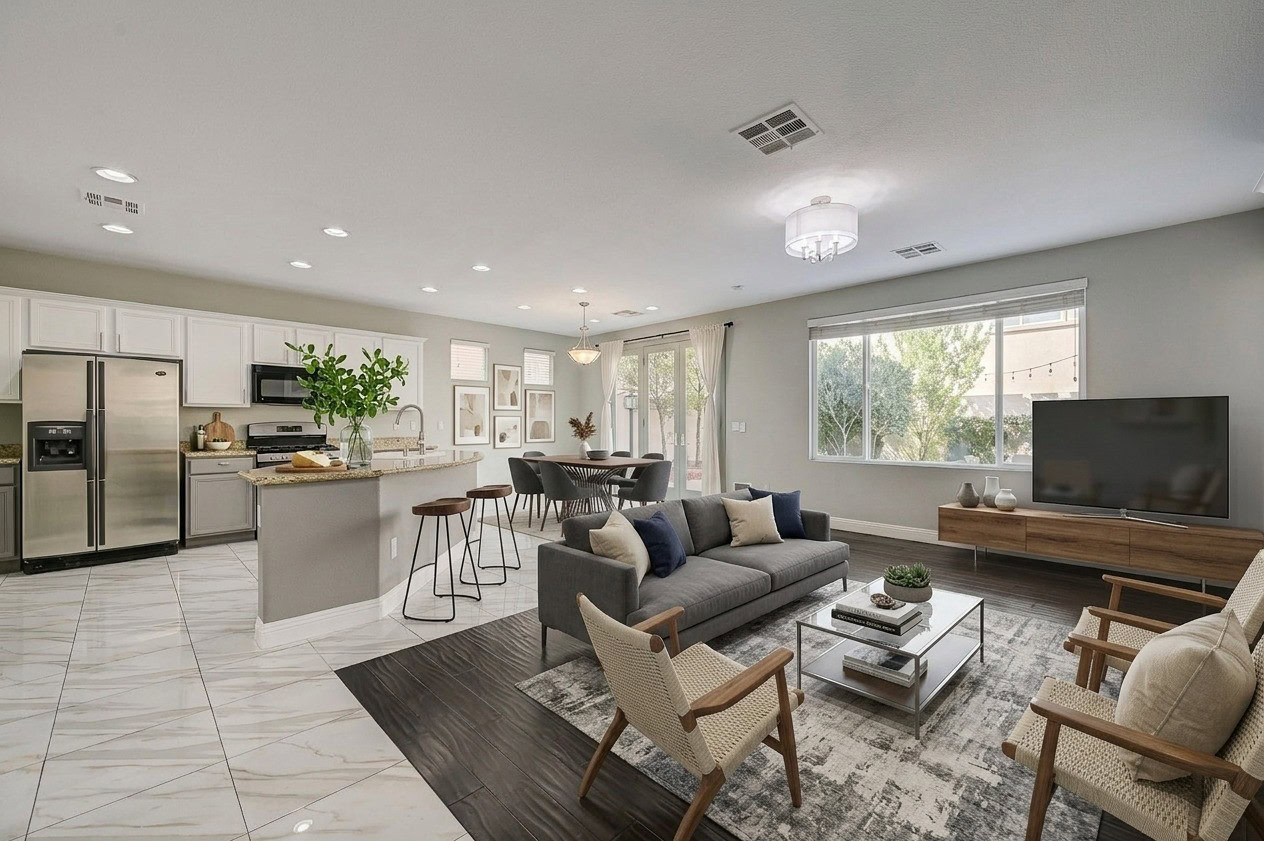

Rent-or-Sell Decision Guide
The Better Question Is Not “Can This Home Rent?” It Is “Should You Keep Owning It?”
A Las Vegas home can be rentable and still be the wrong property for you to keep. Before converting a former residence into a long-term rental, compare the realistic rental economics with the equity you could release by selling, then consider the home's condition, future repairs, your reserves, your holding period, and why you want to keep it.
I generally lean toward selling when an Owner expects to sell again within a few years, lacks the reserves or stamina for rental-property repairs, remains very emotionally attached to the home, or owns a property whose ongoing complexity does not justify the rental benefit. Keeping the home can make more sense when it is a deliberate long-term hold, the numbers work without depending on every month's rent, and the property fits a retirement or other long-term ownership plan.
Begin With the Real Decision
A Rentable House Is Not Automatically a House You Should Keep
Selling and renting solve different problems. Selling releases equity and ends most future ownership responsibility. Renting preserves the property, but it also preserves its expenses, repair decisions, liability, vacancy risk, and future capital needs.
I separate the decision into two questions. First, can this Las Vegas home reasonably function as a long-term rental? Second, and more importantly, should you continue owning it?
Those are not the same question. A home may attract a Tenant and still be a poor fit for an Owner who needs the equity, has limited reserves, expects to sell soon, or does not want another major financial responsibility.
Keep the Asset and Its Responsibilities
You retain ownership and potential rental income, but you also keep the mortgage, HOA obligations, insurance, repairs, vacancy, turnover, capital expenses, and future disposition decision.
Release the Equity and Exit the Property
You convert the property into net sale proceeds and stop carrying the home, but you also give up its future rental income and whatever future value the property may or may not produce.
I do not start by asking whether I can manage the home. I start by asking whether keeping it makes sense for the Owner. Property management can make rental ownership much easier to operate. It cannot turn weak rental economics or an unsuitable ownership plan into a good investment.
Financial Comparison
Compare Net Sale Proceeds With Realistic Rental Performance
Do not compare expected rent with the mortgage payment and stop there. Compare the cash you could actually release by selling with the complete financial responsibility of continuing to own the property.
Estimate What Selling Actually Releases
Begin with a supportable sale value, then consider the loan payoff, selling expenses, property work, taxes where applicable, and other costs that affect the amount of equity actually available afterward.
Estimate the Full Cost of Continuing to Own It
Begin with a realistic rental range, then account for vacancy, property management, leasing, HOA expenses, insurance, property taxes, maintenance, turnover, utilities, and future capital repairs.
Monthly cash flow matters, but it can vary considerably when a vacancy, repair, insurance deductible, or turnover occurs.
Part of a mortgage payment may reduce the loan balance and increase equity over time, even when monthly cash flow is limited.
HVAC equipment, roofing, water heaters, appliances, flooring, irrigation, exterior work, and other major items do not arrive in equal monthly installments. They still belong in the ownership decision.
Lost rent, utilities, cleaning, repairs, landscaping, preparation, and leasing expenses can materially change the result. For deeper analysis, see Vacancy & Turnover Costs .
Expected rent minus the mortgage payment is not the property's true cash flow. A rental has expenses and risks that may not exist, or may not be obvious, while you are living in the home yourself.
Use Las Vegas Housing Market Trends for current for-sale inventory, sales activity, and market context.
Use Las Vegas Rental Market Statistics for current rental inventory, leasing activity, and competition.
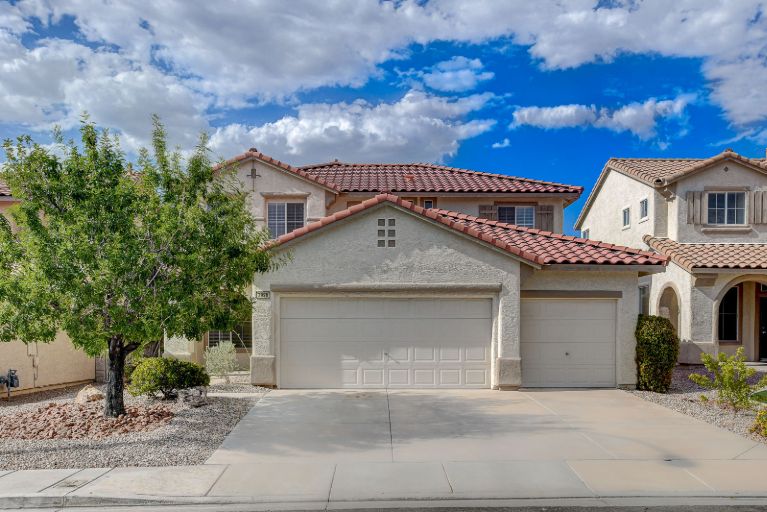

Reasons to Keep the Property
When I Am More Comfortable Recommending That an Owner Keep the Home
Keeping a former residence makes more sense to me when it is a deliberate long-term ownership decision, not an experiment that depends on everything going right during the next year or two.
As a property-management rule of thumb, I am more comfortable with the rental decision when the Owner expects to keep the home for roughly five years or longer. If you already expect to sell again soon, I usually question whether converting the property to a rental is worth the additional work, cost, and risk.
Keeping the property can make sense when the goal is intentional, such as retaining a long-term asset for retirement rather than simply postponing a sale because the decision feels difficult.
You should be able to handle vacancy, repairs, turnover, insurance deductibles, HOA expenses, and larger capital work without needing every month's rent to arrive before you can pay the next property bill.
The home should have supportable rental demand and operating costs, and its condition should not require an unreasonable amount of work relative to the benefit of continuing to own it.
The five-year guideline is my property-management rule of thumb for evaluating whether converting a former residence into a rental is worth considering. It is not an IRS holding-period requirement and should not be used to make a tax decision.
Reasons I May Recommend Selling
Sometimes the Better Property-Management Advice Is Not to Become a Landlord
Rice Real Estate & Property Management does not benefit an Owner by convincing someone to keep a property that does not fit their finances, temperament, or long-term plan.
If your real plan is to sell the property again in a year or two, I generally lean toward selling rather than creating a short rental ownership cycle without a compelling reason to do so.
A Tenant-occupied property can still need an HVAC system, appliance, plumbing repair, water heater, or other major work with little warning. If paying for an ordinary rental-property repair would put you in a financial crisis, selling may be safer.
Professional management removes much of the daily workload, but an Owner still has to approve important decisions and fund the property. If that responsibility already feels exhausting, keeping the house may not be the right choice.
Another household will live differently in the home than you did. Normal wear, practical repair choices, landscaping changes, and ordinary use can be difficult for an Owner who still thinks of the property primarily as their personal home.
A pool is a meaningful strike against keeping a former residence as a rental in my analysis. The additional upkeep, equipment exposure, and liability are often not worth taking on simply to turn a home into a rental. That does not mean every pool property must be sold, but it makes me examine the economics and risk much more critically.
A property can produce positive monthly cash flow and still be a weak use of a large amount of equity. Consider whether selling would provide more useful liquidity for retirement, debt reduction, another property, or other financial priorities.
Keeping a property is not automatically the more sophisticated investment decision. I would rather tell an Owner to sell a property that does not fit than manage a rental they are financially or emotionally unprepared to own.
Before You Convert the Home
Review the Tax Timing Before a Primary Residence Becomes a Rental
The tax consequences of selling now may be different from the consequences of renting the property first and selling later. That is something to review before the rental conversion, not several years afterward when the options may have changed.
Federal home-sale rules generally look at whether you owned and used the property as your principal residence for at least two of the five years ending on the sale date. That means converting a qualifying former residence into a rental does not automatically eliminate every potential home-sale gain exclusion.
The dates still matter. Rental use can also introduce depreciation and other tax issues. The IRS explains that gain attributable to depreciation allowed or allowable during rental use generally cannot be excluded under the home-sale exclusion.
Before deciding to rent a former primary residence, ask your tax preparer or CPA to compare the consequences of selling now with the consequences of renting first and selling later. For the federal rules, see IRS Publication 523: Selling Your Home .
My preference for roughly a five-year or longer rental hold is property-management judgment. The federal principal-residence exclusion uses its own ownership, use, timing, and eligibility rules. One should never be substituted for the other.
Look Beyond Monthly Cash Flow
Consider What the Equity Could Do If You Sold
Positive monthly cash flow does not automatically mean keeping the property is the best use of your capital.
Estimate the net equity that would become available after a sale. Then compare that amount with the expected benefits and risks of continuing to own the property, including cash flow, principal reduction, capital expenses, vacancy exposure, and your intended holding period.
This is especially important for someone with substantial equity in a former residence. A low mortgage rate is valuable, but the interest rate alone does not answer whether keeping hundreds of thousands of dollars tied to one property fits your financial plan.
Professional management can solve many operational problems. It can provide local oversight, leasing, Applicant screening, maintenance coordination, documentation, accounting, and Resident communication. It cannot supply an Owner's repair reserves, remove the financial risk of ownership, or make an unsuitable property's economics work.
If your remaining question is whether professional management would make ownership practical for you, see Should You Hire a Property Manager? .
If the harder question is whether you are personally prepared for long-term rental ownership, use the Landlord Mindset Quiz . This page intentionally does not duplicate that deeper readiness discussion.
Three Different Situations
Not Every Owner Who Rents the Home Is Making the Same Decision
The strongest long-term rental decision looks very different from a homeowner who rents temporarily because selling is not currently workable.
Sell and Release the Equity
Choose this path when continuing ownership does not fit your finances, property condition, risk tolerance, expected holding period, or personal plans.
Keep It as a Long-Term Asset
Choose this path when the rental economics are supportable, you have appropriate reserves, and the home fits an intentional multi-year ownership or retirement plan.
Rent It as a Financial Bridge
Sometimes the homeowner cannot sell on terms that solve the current problem but needs rental income to help offset the mortgage. Renting may provide breathing room while finances and longer-term plans are worked out.
I distinguish between choosing a rental because it is a strong long-term ownership strategy and renting because selling is not practical right now. The second situation may still justify renting, but the Owner should recognize why the property is being kept and continue reviewing the plan.
After the Decision
If You Decide to Keep the Home, the Question Changes
Once you decide that continuing to own the property makes sense, this page has finished its job. The next question is how to convert the former residence into a properly prepared long-term rental.
Move From Decision to Rental Preparation
Continue with How to Rent Out Your Las Vegas Home for rental readiness, property preparation, insurance, HOA and utility planning, leasing, screening, documentation, and the first lease cycle.
Evaluate the Sale With the Appropriate Professionals
Confirm likely net proceeds, property condition, timing, tax questions, financing consequences, and how the released equity fits your broader plan. Rice Real Estate & Property Management's primary role on this page is evaluating the rental-ownership side of the decision.
The objective is not to persuade every homeowner to become a rental Owner. It is to determine whether retaining this particular Las Vegas property as a long-term rental actually makes sense.
Owner FAQs
Questions About Renting or Selling a Las Vegas Home
Is it better to rent or sell my Las Vegas home?
Neither choice is automatically better. Compare realistic rental performance with the equity available through a sale, then consider property condition, reserves, future repairs, holding period, tax questions, personal plans, and whether you actually want to remain responsible for the property.
How long should I plan to keep the home if I rent it?
As property-management judgment, I am generally more comfortable converting a former residence into a rental when the Owner expects to hold it for roughly five years or longer. That is a Rice ownership rule of thumb, not a tax requirement or prediction of investment performance.
Should I keep the home because I have a low mortgage rate?
A favorable mortgage can strengthen the rental case, but it does not make the decision by itself. Consider the property's complete operating cost, future repairs, available reserves, rental demand, equity, and what that equity could accomplish elsewhere.
Does a pool make a home a bad rental?
Not automatically, but a pool weighs against keeping a former residence in my rent-or-sell analysis. Pools add upkeep, equipment, coordination, and liability exposure. I would want the overall property and ownership plan to justify taking on that additional complexity.
What happens to the home-sale tax exclusion if I rent the house first?
Federal rules generally look at whether you owned and used the property as your principal residence for at least two of the five years ending on the sale date. Rental use can introduce additional rules, including depreciation-related taxable gain. Review your dates and circumstances with a qualified tax professional before converting the property. See IRS Publication 523 for the federal rules.
What if I cannot sell the home right now?
Renting can sometimes serve as a financial bridge. If selling is not workable and rental income could help offset the mortgage, temporarily operating the property as a long-term rental may give you time to stabilize your finances and reconsider the property later. That is different from deciding that the home is an ideal permanent investment.
Can a property manager make keeping the home easier?
Yes. Professional management can handle leasing, Applicant screening, Resident communication, maintenance coordination, accounting, documentation, HOA follow-through, and local property oversight. The Owner still funds the property and remains responsible for the financial consequences of ownership.
When should I speak with a property manager?
Speak with a property manager while renting is still one of the serious options. A property-specific review can help establish a realistic rental range, identify unusual management or property risks, and clarify what the home would require before you commit to keeping it.
Still Considering the Rental Option?
Let’s Evaluate the Rental Side Before You Decide
Share the property address, moving timeline, condition, HOA, major systems, and your plans with Rice Real Estate & Property Management. We can discuss the likely rental range, property-specific concerns, preparation needs, and whether keeping the home appears practical as a long-term rental.
This article provides general property-management information and professional judgment. It is not legal, tax, financial, mortgage, or insurance advice. Property values, rental performance, expenses, tax consequences, and Owner circumstances differ. Consult the appropriate qualified professionals before relying on projected sale proceeds, taxes, investment returns, insurance coverage, or legal conclusions.