Are You Ready to Become a Las Vegas Landlord? Things to Think About

Are You Ready to Become a Las Vegas Landlord? Things to Think About

Being ready to become a landlord means more than whether the expected rent covers the mortgage. A Las Vegas homeowner also needs enough financial room for vacancy, repairs, turnover, deductibles, and major property expenses, plus the willingness to make decisions when those costs arrive.

In my experience, one of the clearest warning signs is an Owner with no meaningful reserves whose property is already expected to run roughly $200 to $500 negative per month after management fees. The monthly shortfall alone does not automatically make long-term ownership a bad decision. The concern is combining negative cash flow with no cushion for the normal costs of owning a rental.

Readiness is emotional as well as financial. Another household will live in the property differently, and upgrades, landscaping, finishes, and other features may not look exactly the same years later. A good long-term rental Owner understands those realities and still genuinely wants to own the property.

Homeowner-to-Landlord Readiness

What Does Being Ready to Become a Landlord Actually Mean?

You should be able to absorb uneven years, accept normal rental use, make timely property decisions, and continue wanting the investment after the risks and expenses are understood.
Financial Readiness Property Readiness Ownership Readiness
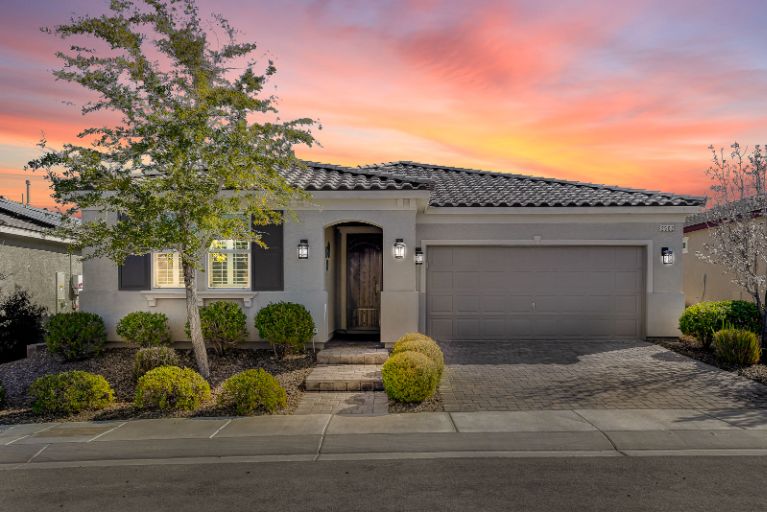
Las Vegas house being evaluated for long-term rental ownership
A home that worked well as a personal residence should be reconsidered through the financial and operational realities of long-term rental ownership.

The Rent-or-Sell Decision Comes First. Landlord Readiness Comes Next.

If you have decided, or are strongly considering, keeping the property, the next question is whether you are prepared to become a long-term rental landlord. If you are still weighing whether keeping the home or selling it makes more sense, see our Las Vegas rent-or-sell decision guide .

A house can have good rental potential while the Owner is still underfunded, emotionally unprepared, or uncomfortable with the decisions that come with being a landlord. Readiness means looking beyond whether the home can rent and deciding whether long-term rental ownership fits your finances, the property, and the way you want to own it.

The Readiness Standard I Use

An Owner is generally better suited to long-term rental ownership when they have financial reserves, understand that expenses will not arrive evenly, can make timely repair and replacement decisions, and genuinely want to learn how to be a landlord. Professional management can take over much of the recurring work, but it cannot make an underfunded ownership plan financially sound or remove the risks that come with owning the property.

Readiness Area 1

Financial Readiness

Can you carry the home through vacancy, fund repairs and turnover, absorb an insurance deductible or major system expense, and continue owning it during a year when the property does not perform as neatly as the original spreadsheet?

Readiness Area 2

Property Readiness

Do you understand the home's current condition, major systems, deferred maintenance, HOA obligations, landscaping, and other features well enough to know what you are agreeing to maintain over time?

Readiness Area 3

Ownership Readiness

Can you let another household live in the property without expecting every upgrade, finish, landscape feature, or room to remain exactly as you maintained it as your personal residence?
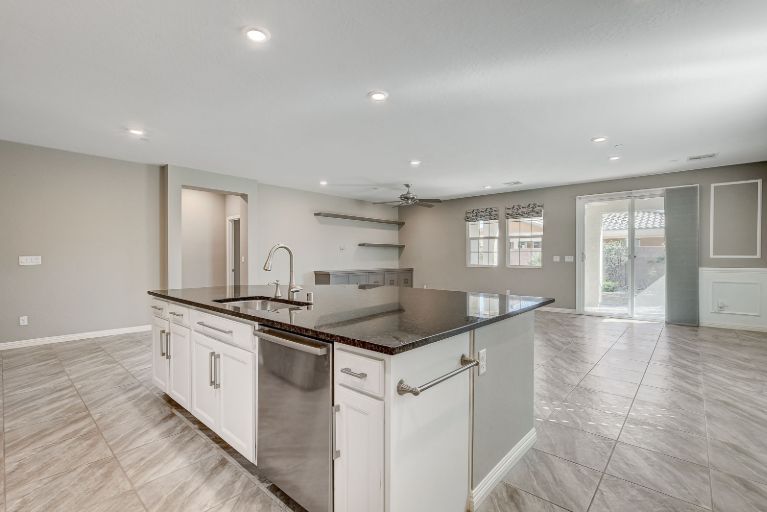
Las Vegas home interior being considered for long-term rental ownership
A former residence should be evaluated for how it will function and age as a long-term rental, not simply for how it looked while the Owner lived there.

Property Perspective

A Personal Home Has to Become an Operating Rental

Property readiness is not about making a former home perfect. It is about understanding what you own, what it may require, and whether you are prepared to maintain it over time.

Features you valued personally may also need to be viewed differently once another household takes possession. Landscaping, finishes, upgrades, appliances, and other parts of the home will be used and will age. A prepared Owner understands that reality before the first Resident moves in.

Take the Las Vegas Landlord Readiness Quiz

Answer all nine questions based on your situation today. The purpose is not to produce a perfect score. It is to identify the part of the ownership plan most likely to create pressure later.

Choose the answer that most closely reflects your current situation, not what you hope to arrange after the property is listed.

1. Do you genuinely want to become a long-term rental Owner?
2. Could you carry the home through vacancy or an extended turnover?
3. What repair and capital reserves are available?
4. How well do you understand the home's current condition?
5. Have you considered the major systems and property obligations?
6. Have insurance, HOA, occupancy, and other ownership questions been identified?
7. How would you respond to a significant repair or replacement decision?
8. How would you feel if the property did not look exactly the same at move-out?
9. How would you handle a year when the rental costs more than expected?
A Better Way to Manage Your Las Vegas Rental
Learn more about our property management services.
Rice Real Estate & Property Management

Your Lowest Readiness Score Matters More Than Your Average

One weak category can create more trouble than several strong categories can offset. A good rental price does not solve inadequate reserves. Excellent property condition does not solve an Owner who cannot make timely decisions. Professional management does not solve an ownership plan that only works when nothing expensive happens.

Low Financial Readiness

One situation I look at closely is a property projected to run roughly $200 to $500 negative per month after management fees when the Owner also has no meaningful reserves. The monthly shortfall by itself does not automatically mean the property should be sold. An Owner may knowingly accept negative cash flow because there is a longer-term reason for holding the property.

The bigger concern is negative cash flow combined with no financial cushion. That leaves very little room for vacancy, repairs, insurance deductibles, turnover, or a major system failure.

Low Property Readiness

This does not necessarily mean the house should not become a rental. It means the condition, repair scope, major systems, HOA requirements, or other property obligations are still too uncertain to establish a responsible marketing date.

Once the ownership decision is made, use our guide to renting out your Las Vegas home to work through the physical preparation before marketing.

Low Ownership Readiness

Emotional attachment becomes an operating issue when an Owner expects upgrades, landscaping, flooring, finishes, or other house features to remain exactly as they were during personal occupancy. Another household will use the property differently.

That does not mean damage should be ignored. It means a rental Owner needs to distinguish actual Tenant damage from the normal aging and use that occur while another household lives in the home.

Owner Perspective

Wanting to Be a Landlord Matters

Some of the best-prepared Owners are not the ones who already know every answer. They are the ones who genuinely want to own a rental, understand that there are risks and maintenance costs, and are open to learning. Not everyone wants to stomach an expensive turnover, Tenant damage, a major repair, or a tenancy that is simply more difficult than expected. It is better to recognize that before the property is leased.
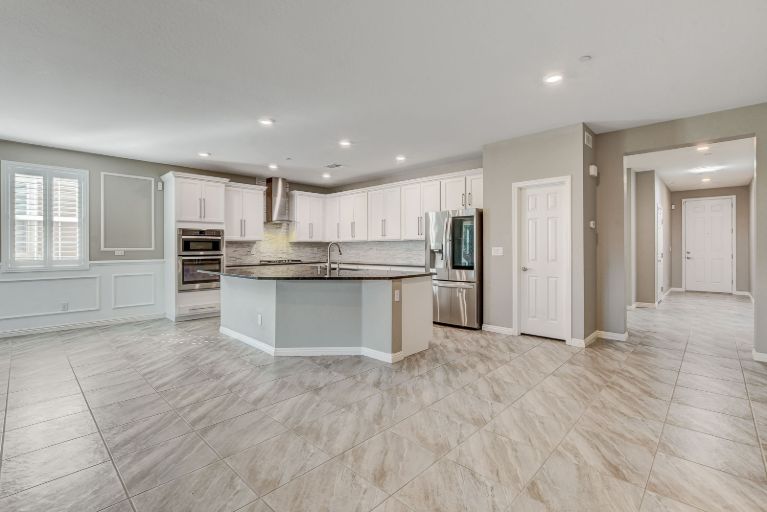
Las Vegas kitchen in a home being considered for long-term rental ownership
Upgrades and finishes can still be valuable in a rental, but another household will use and age the property differently than the original homeowner.
Rental Homes. Managed Right.
Las Vegas Property Management Services Built Around Better Communication
Rice Real Estate & Property Management

A Rental Home Is Income In and Expenses Out

Rent is the easiest number to see because it arrives every month when the property is occupied. Rental ownership is not just income coming in. There are also repairs, maintenance, management costs, HOA expenses, insurance, vacancy, turnover, deductibles, and eventual capital work.

Those expenses do not arrive in equal monthly installments. One year may look excellent on paper. Another may include an HVAC replacement, vacancy, landscaping work, Tenant damage, or a larger turnover expense. That unevenness is part of normal rental ownership.

A Resident who stays two years may create another turnover sooner. A Resident who stays ten years may postpone that expense for a long time, but the property can still require meaningful work when that tenancy eventually ends. Paint, flooring, appliances, landscaping, fixtures, or other components may have aged during the tenancy even when the Resident took reasonable care of the home.

Long-Term Ownership

The Peaks and Valleys Matter Less When the Holding Period Is Long Enough

This is one reason I view rental ownership over multiple years instead of judging it by one unusually good or unusually expensive year. Long-term ownership gives the Owner an opportunity to average out some of the normal peaks and valleys of being a landlord. That does not make every property a good long-term hold, but it is a more realistic way to evaluate the ownership experience than assuming every year will look the same.

Owners who want to examine the deeper economics can also review vacancy and turnover costs for Las Vegas rental properties .

A Better Way to Manage Your Las Vegas Rental
Learn more about our property management services.
Rice Real Estate & Property Management

Professional Management Changes the Workload, Not the Ownership

Rice Real Estate & Property Management can handle much of the recurring operational work involved in managing houses, townhomes, and condos used as long-term rentals throughout the Las Vegas Valley. That can make ownership far more practical for a busy, inexperienced, or remote Owner.

It does not remove the financial realities of owning the property. A property manager cannot provide the Owner's reserves, eliminate future repairs, prevent every difficult tenancy, or make a major ownership decision on the Owner's behalf.

What Professional Management Can Handle

Rental pricing, marketing, showings, and leasing
Applicant review using published screening criteria
Rent collection, accounting, invoices, and Owner records
Resident communication and maintenance coordination
Property documentation, Quality Assurance visits, HOA matters, and renewals

What the Owner Still Needs to Do

Maintain adequate operating and capital reserves
Fund repairs, replacements, deductibles, and property expenses
Carry appropriate insurance and obtain professional advice when needed
Make timely decisions when Owner direction or approval is required
Decide whether continuing to own the property still serves the long-term plan

Ready to Move From Ownership Decision to Rental Preparation?

Once you are comfortable with the financial commitment, property risks, and realities of being a landlord, the next question changes from "Am I ready to own this rental?" to "What needs to happen before another household moves in?"

For the next steps, use our guide to renting out your Las Vegas home . If the remaining question is whether to self-manage or hire professional management, review whether hiring a property manager makes sense .

Rental Homes. Managed Right.
Las Vegas Property Management Services Built Around Better Communication
Rice Real Estate & Property Management

Advice is Always Free

Rice Real Estate & Property Management can review the likely rental range, current condition, obvious preparation needs, HOA considerations, Owner expectations, and management fit before the property is marketed. The goal is not to convince every homeowner to become a landlord. It is to identify whether long-term rental ownership and professional management make sense for this particular property and Owner.

This quiz and article provide general educational information and are not legal, tax, financial, mortgage, appraisal, or insurance advice. Property condition, rental performance, expenses, governing documents, and Owner circumstances differ. Consult the appropriate qualified professionals before relying on tax, legal, insurance, financing, or investment conclusions.

Heidi Rice
Heidi Rice
NV Broker and Property Manager
www.ricelasvegas.com/about/

Heidi Rice is the broker and lead property manager at Rice Real Estate & Property Management, serving owners of long-term residential rental properties throughout the Las Vegas Valley, with a primary focus on detached single-family rental homes.