
Las Vegas Leasing Strategy
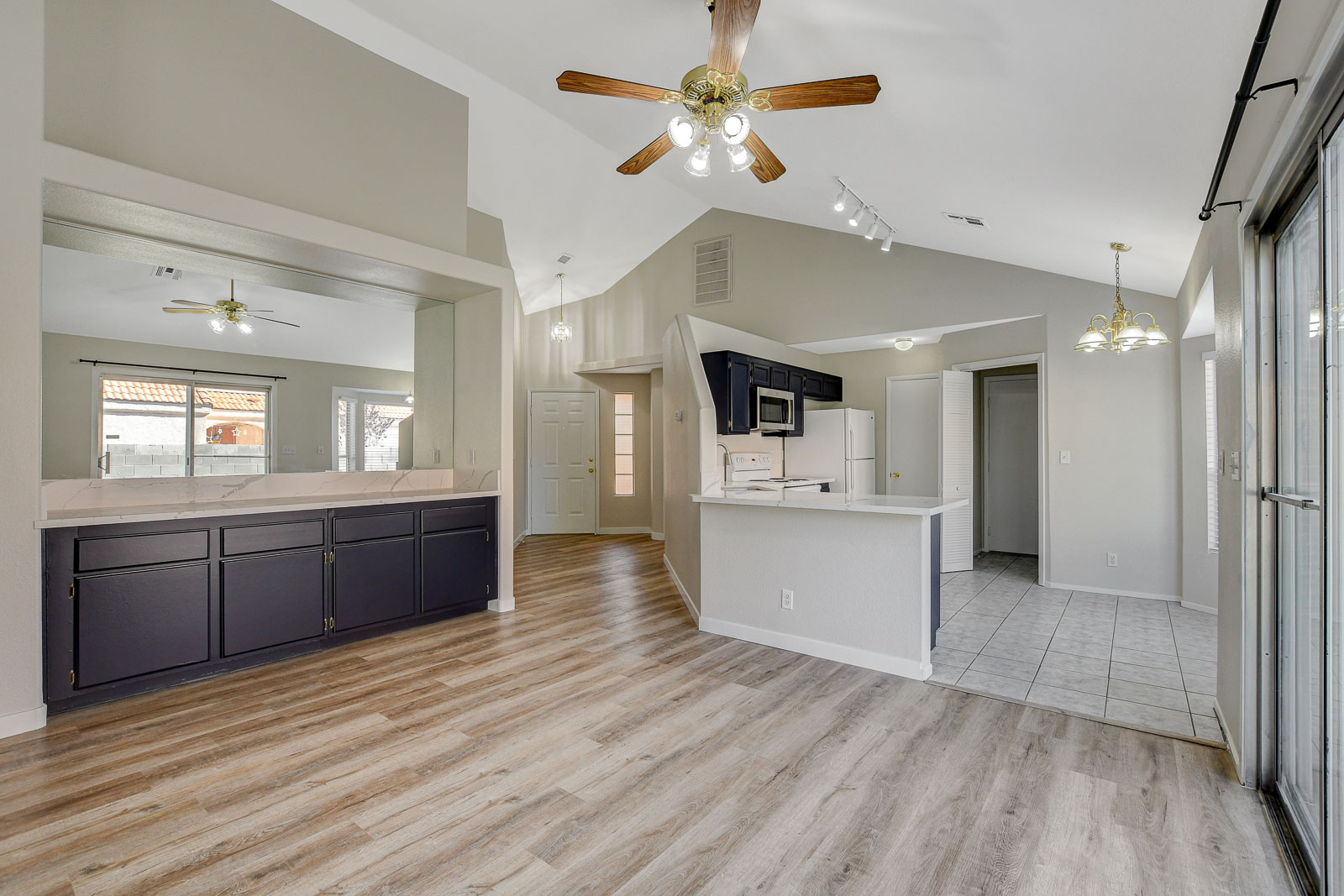
Rent-ready homes in Las Vegas should attract and find a Tenant in 14–21 days.
That range assumes the home is complete, clean, accurately priced, professionally marketed, available for showings, and competitive with the other rentals a qualified Applicant can choose from today.
If a Las Vegas rental property remains available for more than 30 days without strong interest or qualified applications, there is usually a specific reason. Price, property condition, photographs, access, presentation, or market positioning should be reviewed rather than allowing the listing to remain unchanged.
How Long Should It Take to Find a Tenant in Las Vegas?
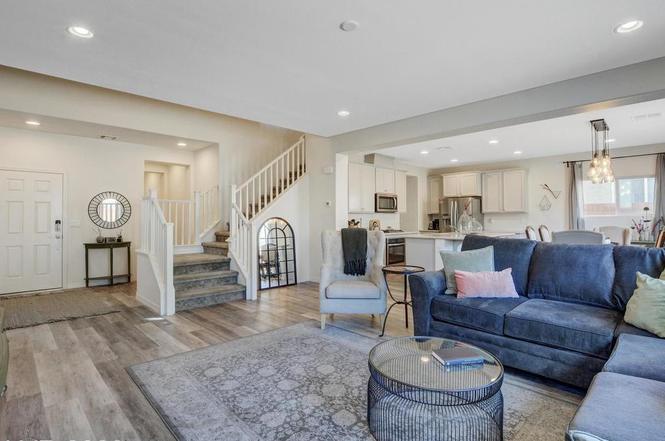
A rent-ready Las Vegas home priced within a supportable market range should generally attract and secure a qualified Tenant within 14–21 days. The timeline is not created by price alone. It depends on whether the property is complete, competitive, accurately represented, and easy for qualified Applicants to evaluate.
The 14–21 day expectation assumes:
- Repairs, cleaning, paint, flooring, landscaping, and approved turnover work are complete before marketing begins.
- The advertised rent is supported by current competing rentals and recently leased properties.
- The listing uses current professional photographs and complete, accurate property information.
- Showing access is practical and inquiries receive a timely response.
- The home compares well with the other houses, townhomes, or condos available to qualified Applicants at the same time.
A property does not need to be newly remodeled to lease well. It does need to be finished, clean, functional, properly presented, and appropriate for its asking rent. Review the complete Las Vegas rent-ready home standard before advertising the property.
Do not ask the market to price a version of the property that does not exist yet. Finish the approved work, photograph the completed home, and then evaluate the response.
What Days on Market Tells an Owner
Days on market is one of the clearest signals available to an Owner. It tells us how qualified renters are comparing the home with the alternatives available today.
Healthy Initial Demand
The listing should be generating views, inquiries, showing activity, or applications. Not every inquiry will be qualified, but the property should be receiving enough attention to confirm that Applicants see reasonable value.
The Market Is Evaluating the Property
Review inquiry volume, showing feedback, competing listings, photographs, condition, access, and the quality of applications. A modest pricing adjustment may be appropriate, but it should be based on actual market response rather than a random reduction.
A Formal Review Is Needed
When the home has not attracted strong interest or a qualified application, the advertised rent, property condition, listing presentation, showing process, and competitive position should be reviewed together. Leaving the listing unchanged is still a decision, and it usually increases vacancy exposure.
Why a Las Vegas Rental Property May Not Be Attracting Applicants
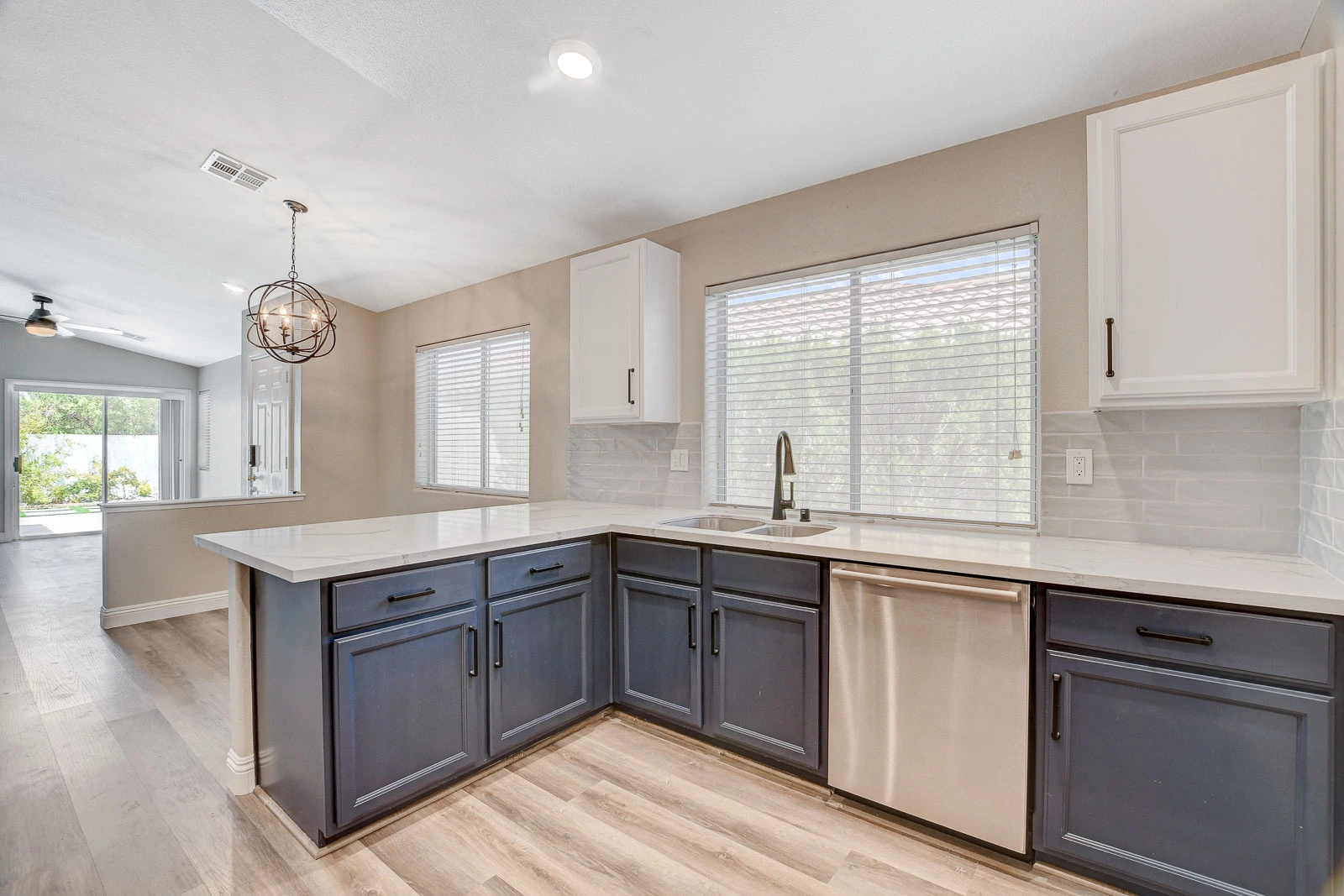
When a rental sits, the answer is rarely “the market” by itself. The more useful question is which part of the property's offer is creating resistance.
Start With the Questions Applicants Are Already Asking
- Is the advertised rent higher than similar available homes?
- Is the property clean enough to feel ready for immediate possession?
- Does the property look dated compared with nearby competition?
- Are the yard, shrubs, weeds, entry, and visible landscaping maintained?
- How does the interior smell when an Applicant first enters?
- Is the paint fresh and consistent, or are there mismatched touch-ups and visible wall damage?
- Are the flooring and carpets clean and in reasonable condition?
- Are the baseboards dusty?
- Do the doorbell, lights, appliances, locks, garage remotes, and property systems work?
- Are there burnt-out bulbs, rusty fixtures, damaged blinds, worn toilet seats, loose hardware, or other inexpensive details affecting the presentation?
- Do the photographs show the finished property accurately?
- Can Applicants review a useful virtual tour before scheduling an in-person showing?
These details may sound minor when considered individually. Together, they shape the Applicant's first impression and perceived value. An outdated, unclean, unfinished, or poorly presented rental can be a significant deterrent even when the home is technically functional.
Turnover Must Be Finished Before the Property Is Judged
Applicants respond to the condition they can see today. They do not price the home based on promised cleaning, future paint, landscaping that may be completed later, or repairs that are still being scheduled.
Marketing an unfinished property also makes the Owner's data less useful. Weak activity may be caused by price, condition, poor photographs, incomplete work, or all four. Completing the home before marketing allows the response to be interpreted more accurately.
Marketing Must Reach the Places Renters Actually Search
A strong listing needs professional photographs, accurate property information, clear Applicant instructions, practical showing access, and broad online distribution. Depending on the listing process, prospective renters may discover a home through the local MLS, Zillow, Realtor.com, HotPads, YouTube, and other major rental-search websites.
Distribution alone is not enough. A property can appear everywhere online and still receive weak activity when the price, photographs, condition, or monthly value does not compare well with competing homes.
Furnished Rentals Have a Narrower Long-Term Audience
In my experience, furnished long-term rentals generally have a narrower Applicant pool in Las Vegas. Many households already own furniture and prefer to create their own home. Furnished properties also compete indirectly with hotels and extended-stay options, while HOA rules and local restrictions may limit short-term rental use.
Furnishing a property should be an intentional strategy based on the likely renter, location, lease length, storage needs, furniture wear, and management requirements. It should not be assumed that furniture automatically increases rent or shortens vacancy.
Why Correct Pricing Makes or Breaks a Las Vegas Rental
Applicants do not search every available rental and then decide what they are willing to pay. Most begin with a maximum monthly price. That makes common online search thresholds important.
Common maximum-rent searches include:
- $2,000 per month
- $2,500 per month
- $3,000 per month
Assume current market evidence supports a rent near $2,000, but the property is listed at $2,100. An Applicant searching with a maximum budget of $2,000 may never see the home. The Owner is not only asking for an additional $100. The Owner is removing the property from a meaningful portion of the search audience.
The same issue occurs when a property is listed at $2,595 and many qualified Applicants are searching for homes at or below $2,500. Pricing just above a common search threshold can reduce visibility before the Applicant ever compares the home's features.
A $2,000 rental listed at $2,100 that remains vacant for two months loses approximately:
$2,000 × 2 months = $4,000 in lost rentSpread across the following 12 months, that vacancy is equivalent to approximately $333 per month. Holding out for an additional $100 can therefore create a much larger loss than the increase was intended to produce.
Days on market will not appear as a separate expense on an Owner statement. Vacancy still affects the property's long-term return. Mortgage payments, utilities, landscaping, HOA expenses, insurance, and other ownership costs continue while the home remains empty.
A $100 rent reduction can feel like a concession. Two months of vacancy is far more expensive. The correct comparison is not the original asking rent versus the reduced rent. It is total expected rental income after vacancy, concessions, turnover costs, and the quality of the Tenant secured.
Price Can Affect Applicant Quality
Pricing influences more than leasing speed. It can influence which Applicants are attracted to the property.
Well-qualified renters often understand prevailing market values and recognize when better alternatives are available. An overpriced home may receive fewer applications from those households. Some Applicants who are willing to pay materially above market may be doing so because they have recently been declined elsewhere.
That does not mean every Applicant willing to pay more is underqualified. It means the property manager should evaluate both the amount of activity and the quality of the activity rather than treating every inquiry as equal demand.
Qualified Applicants Are Comparing More Homes and Starting Earlier
Qualified Applicants increasingly begin searching approximately 30–45 days before their preferred move-in date. They may monitor new listings, compare neighborhoods, save favorites, review commute times, and wait for a property that fits their priorities.
Online rental websites also make market comparisons easier. Applicants can see asking rents, photos, amenities, location, days on market, and competing options without visiting every property in person. A renter who has been searching for several weeks may understand the local price range very well.
More available choices do not mean screening standards should be lowered. They mean the property must compete clearly enough to attract qualified households in the first place. Rice Real Estate & Property Management continues to evaluate Applicants through our documented Las Vegas tenant screening process .
Our Las Vegas Valley rental tracking has recently shown approximately 2,000 available single-family rentals, about 1,350–1,400 monthly leases, and roughly 1.5 months of rental inventory. Demand is still absorbing supply, but it is selective. Well-prepared and accurately priced homes lease faster than average properties that enter the market with visible condition or pricing resistance.
Review the current Las Vegas rental market statistics before relying on any dated market figure.
What This Means for Owners
- A prior lease amount does not automatically establish today's market rent.
- A home leased during unusually strong conditions may need a different strategy when it returns to the market.
- Accurate pricing can improve both leasing speed and the quality of Applicant activity.
- More listings require sharper photography, better curb appeal, complete turnover work, and faster communication.
- Screening standards should remain consistent even when an Owner is concerned about vacancy.
- Market normalization is not the same as a collapse. Property-level pricing and presentation still matter more than broad headlines.
What to Do as Days on Market Increase
The goal is not to react emotionally to every quiet day. The goal is to review the right information before vacancy becomes expensive.
Review Early Activity
Examine listing views, inquiries, showing requests, completed showings, feedback, saved listings, and application activity. Confirm that the property is appearing correctly online and that showing access is not creating unnecessary friction.
Compare the Current Competition Again
New rentals may have entered the market after the original pricing recommendation. Compare asking rent, condition, concessions, amenities, photographs, location, and total monthly cost. Consider whether a targeted $50–$100 adjustment would move the home into a stronger competitive or search position.
Conduct a Formal Listing Review
Review price, photographs, description, condition, landscaping, odors, access, showing feedback, and the quality of Applicant activity together. Determine whether the listing needs a pricing correction, refreshed photography, completed work, or a broader repositioning.
Stop Defending the Original Assumption
The original rent recommendation was based on the information available before the market responded. The response now provides new information. Continuing unchanged for 60, 90, or more days can cost significantly more than making a supported correction.
Should You Rent or Sell the Las Vegas Property?
Some Owners are not only deciding how to find a Tenant. They are still deciding whether the property should be rented at all. That decision usually comes down to time horizon, equity, loan terms, property condition, cash flow, and tolerance for operating variability.
Sell Now
Selling may make more sense when the Owner has substantial equity, wants a clean exit, does not want ongoing management responsibilities, or would rather redeploy the proceeds into another investment or reduce debt.
Selling may also deserve serious consideration when the home needs significant updating or repairs to compete as a rental and the expected holding period is short.
Rent and Hold
Renting often makes more sense when the Owner has a favorable interest rate, the home is already rent ready or close to it, the expected holding period is five years or longer, and modest monthly cash flow is acceptable.
The long-term thesis may include appreciation, loan paydown, inflation protection, and the value of keeping an existing property rather than focusing only on immediate monthly cash flow.
Rent for Two or Three Years and Reassess
Some Owners do not need to make a permanent decision today. The property may be rented while the Owner allows the sales and rental markets to develop, pays down the loan, completes strategic improvements, and reassesses the sale decision later.
This approach can fit an Owner who does not need immediate sale proceeds and views the property as part of a broader long-term plan rather than a one-time transaction.
We often see long-term wealth built in markets that feel undecided. The opportunity is not always an obvious surge in prices or rents. Sometimes it is the ability to hold a sound property without being forced into a rushed decision.
Review the complete rent-or-sell decision guide for Las Vegas and Henderson Owners before marketing begins.

Once You Find a Good Tenant, Keep Them
Tenant screening, retention, and reduced turnover have a major effect on long-term property performance even though their value does not appear as one simple line on an Owner statement.
1. Stay on Top of Maintenance
Few things are more frustrating for a Resident than living with an unresolved repair. Prompt maintenance response protects the property, reinforces reasonable care expectations, and affects whether the Resident wants to renew.
Timely maintenance can also reduce future turnover time. A clogged sink, active leak, failing appliance, irrigation concern, or damaged fixture is generally easier to address during the tenancy than after several problems have accumulated.
Long-term property tracking should include:
- The age and manufacturer replacement dates of smoke and carbon monoxide alarms.
- HVAC filter condition, system history, and Resident filter procedures.
- Dryer-vent condition and periodic inspection or cleaning based on use, vent design, and professional guidance.
- Plumbing history, prior leaks, caulk, grout, drainage, and visible moisture concerns.
- Appliance age, repair history, and signs that repeated repairs may no longer be cost effective.
- Irrigation, landscaping, HOA concerns, gates, locks, access devices, and exterior condition.
Rice Real Estate & Property Management uses documented rental-property inspections and Quality Assurance visits to help identify concerns, maintain property records, and follow up after move-in and during the tenancy.
2. Be a Good Landlord
The human part of property management matters. Residents are more likely to stay when communication is clear, maintenance requests are acknowledged, property expectations are consistent, and the management company treats them respectfully.
The Owner does not need to approve every request or agree with every Resident concern. The Resident should be able to reach the management company, understand what happens next, and receive a professional response.
3. Understand What Residents Value
The Owner owns the property, but the Resident needs to be able to consider it home. Functional improvements and thoughtful maintenance can make the property easier to live in and more attractive at renewal.
Strategic improvements may include stainless steel appliances, durable luxury vinyl plank flooring, updated lighting, fresh paint, practical window coverings, well-maintained landscaping, or a covered patio. Improvements should be evaluated against expected rent, useful life, maintenance exposure, and the property's actual submarket.
4. Begin Renewal Planning Early
Keeping a qualified Tenant can be more valuable than forcing the highest possible renewal increase and creating an avoidable turnover. Renewal planning should consider current market rent, Resident history, property condition, upcoming repairs, turnover exposure, and the Owner's long-term goals.
Rice Real Estate & Property Management generally begins reviewing renewals about 90 days before lease expiration. This creates time to evaluate the market, communicate with the Owner, prepare written terms, and satisfy applicable notice requirements.
Nevada law generally requires at least 60 days of written notice before increasing rent for a tenancy of one month or longer. Written rental agreements must also state rent as a single maximum total periodic-rent figure that includes applicable mandatory recurring fees, subject to statutory exceptions.
Property-specific lease terms, notices, and current law control. Renewal strategy should be reviewed before the final lease month.
Read more about how Rice Real Estate & Property Management keeps good Residents and reduces unnecessary turnover .
A Great Property Manager Protects More Than the Monthly Rent
Pricing, vacancy management, screening, property condition, maintenance response, documentation, and Tenant retention all affect long-term profitability. Several of the most important management decisions do not appear as a separate charge or credit on a financial statement.
When interviewing or changing property managers, consider the following:
- Do not select a manager based only on the lowest monthly fee. A longer vacancy, weak screening decision, or poorly managed turnover can cost substantially more than a small fee difference.
- Ask how many properties each manager or team is responsible for and who makes pricing, Applicant, maintenance, and renewal decisions.
- Ask whether routine communication and property decisions are handled by local staff, remote team members, or automated systems.
- Ask how listing activity is monitored and when rent recommendations are reconsidered.
- Review the published rental criteria and understand how income, credit, debt, rental history, employment, reserves, background information, and document reliability are evaluated.
- Read both Owner and Resident reviews. The management relationship affects both sides of the tenancy.
Rice Real Estate & Property Management does not use remote team members. The company's principals remain involved in pricing, screening, leasing, maintenance decisions, renewals, documentation, and communication.
Review our property management pricing and services and our documented tenant screening process when comparing management approaches.
Common Questions About Finding a Tenant in Las Vegas
How long should it take to find a Tenant in Las Vegas?
A completed, rent-ready, accurately priced, and professionally marketed home should generally attract and secure a qualified Tenant within 14–21 days. Location, seasonality, property type, condition, price range, and current competition can affect the timeline.
What if my rental has been available for more than 30 days?
Review the advertised rent, competing listings, photographs, description, property condition, landscaping, odors, showing access, inquiry volume, feedback, and the quality of applications. A listing should not remain unchanged simply because the original rent sounded achievable.
Should I lower the rent after one quiet week?
Not automatically. First confirm that the listing is published correctly, the property is available for showings, inquiries are being answered, and the home compares well with current competition. Early activity should be evaluated before making a supported pricing decision.
Do furnished homes take longer to rent in Las Vegas?
They can. Furnished long-term rentals appeal to a narrower group because many households already own furniture. The likely renter, location, lease length, furniture quality, storage, wear, and HOA or local restrictions should be considered before using a furnished-rental strategy.
Should screening standards be reduced when a home is vacant?
No. Vacancy pressure should lead to a review of price, condition, presentation, and marketing. It should not lead to inconsistent or weakened screening standards. The objective is to attract and approve a qualified Tenant, not merely to end the vacancy.
Can Rice Real Estate & Property Management estimate my rent and leasing timeline?
Yes. The property address, type, floor plan, condition, updates, HOA, timing, and current competing rentals are reviewed before a property-specific rental range and leasing strategy are discussed.
Want a Straight Answer for Your Las Vegas Rental?
Every property sits a little differently. Location, condition, loan terms, HOA requirements, rent range, timing, and competing inventory all shift the decision.
Rice Real Estate & Property Management can help evaluate a realistic rent range, likely leasing timeline, rent-ready work, Applicant positioning, rent-versus-sell considerations, and whether the property fits our long-term management model.