Nevada Eviction Process: Step-by-Step Timeline for Property Owners

Nevada Eviction Process: Step-by-Step Timeline for Property Owners

See a practical Nevada eviction timeline for landlords, including notice periods, court filing, lockout, and post-eviction turnover.


Nevada Eviction Timeline Example (Henderson Case – 2026)

The timeline below shows a real-world eviction example from the City of Henderson Justice Court. Henderson counts judicial days, meaning only days when the court is open count toward the notice period.

In Henderson, judicial days are typically Monday through Thursday. Fridays, weekends, and court holidays do not count.

January 13, 2026
7-Day Pay or Quit notice posted on the Tenant’s door.
January 13–27, 2026
7 judicial days run. Henderson counts Monday–Thursday only. Fridays, weekends, and court holidays do not count.
January 28, 2026
Eviction filed with the court after the notice period expired.
Late January 2026
Court reviews the filing and grants the eviction.
Early February 2026
Instructions sent to the Constable and a lockout is scheduled.
February 4, 2026
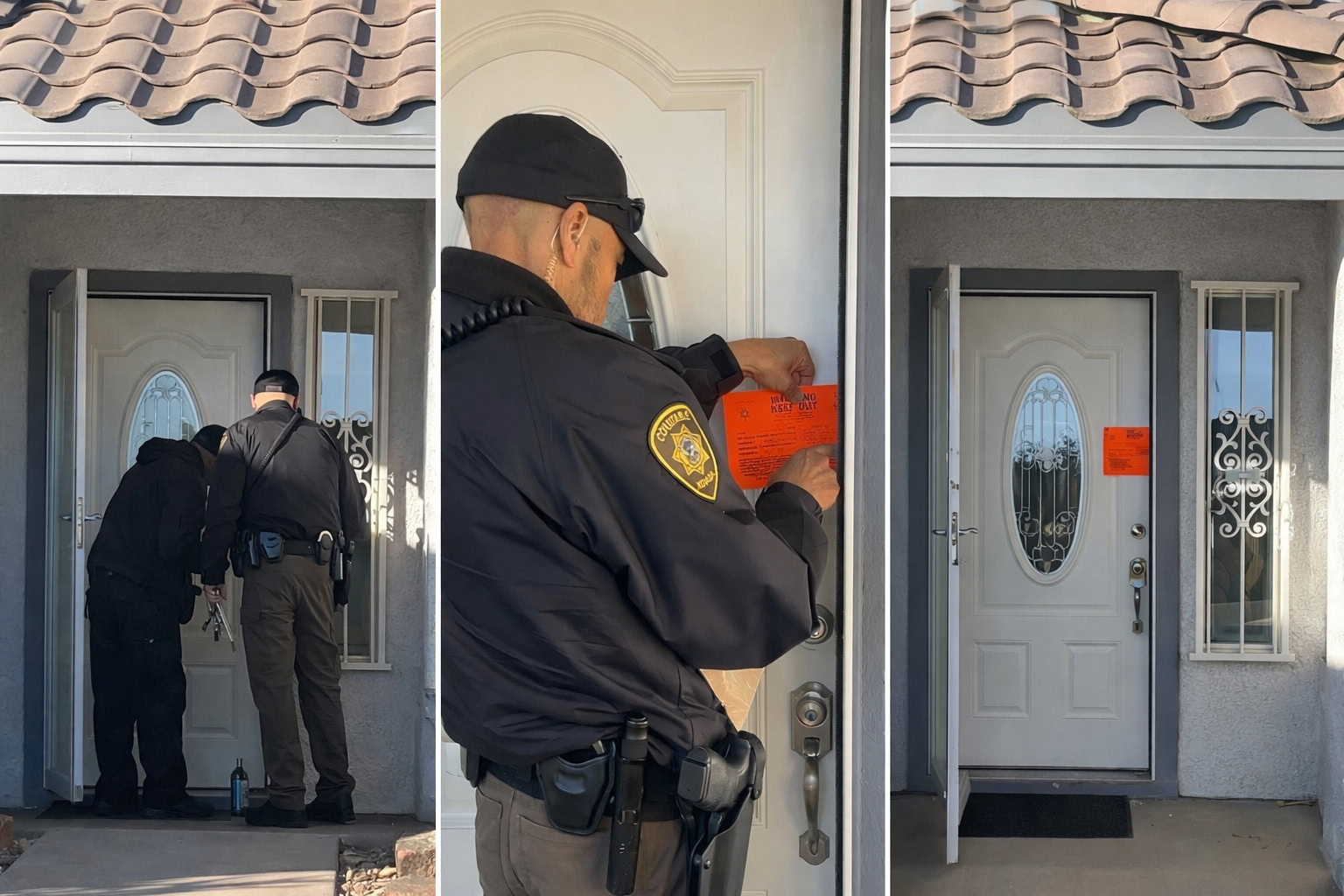
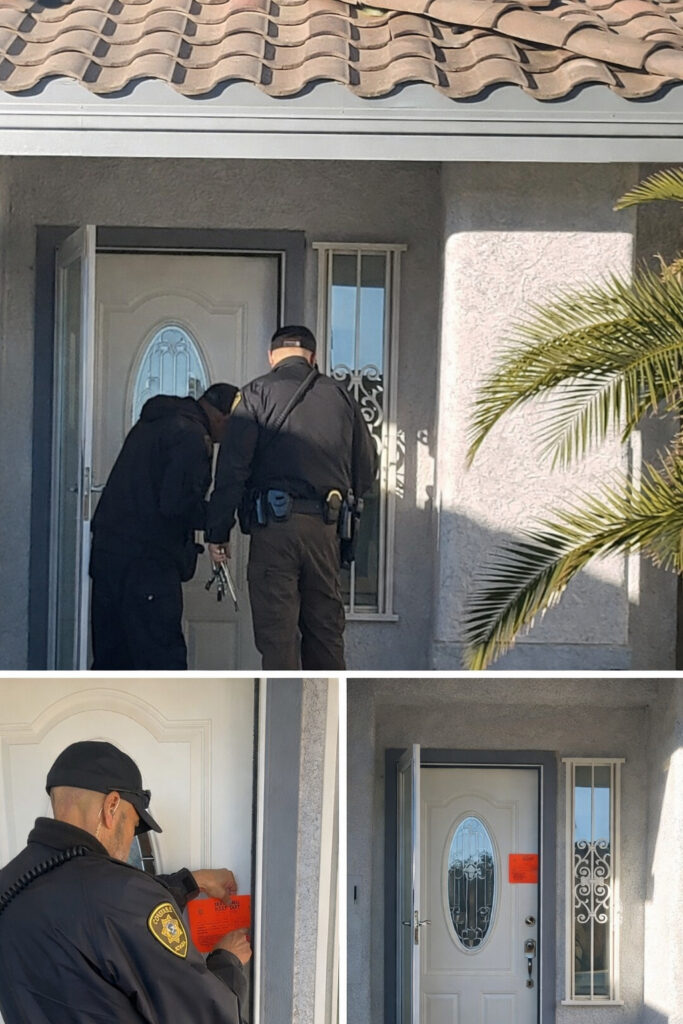
Constable lockout completed. Locks are changed and possession of the property is returned.

Total time from notice to lockout: approximately 22 calendar days.

Actual timelines vary depending on court workload, tenant response, and scheduling availability with the Constable. However, this example provides a realistic illustration of how a summary eviction may progress in Henderson.

Nevada Eviction Process

Evictions are never anyone’s goal. However, when a Tenant stops paying rent and corrective options have been exhausted, a lawful summary eviction becomes necessary to protect the asset and prevent further financial loss.

Below is a practical overview of how a Nevada Eviction Process (Summary Eviction for non-payment of rent) typically unfolds in Southern Nevada, based on direct coordination with an eviction attorney and the Constable’s office.

Note: This article is for general education and is not legal advice.

Non-Payment of Rent Summary Eviction Timeline Example:

City of Henderson

To make the Nevada eviction process easier to understand, below is a real-world example from a City of Henderson case. This example illustrates how notices, court filings, and lockouts typically unfold in practice when a Tenant fails to pay rent.

Important note on timing: The City of Henderson counts judicial days,
not calendar days. Judicial days are Monday through Thursday only, as the City is closed on Fridays. Weekends and City holidays do not count toward statutory notice periods.

Total time from initial notice to lockout:
Approximately 22 calendar days, accounting for judicial-day counting rules,
court processing, and Constable scheduling. This example highlights the quickness of summary evictions in Nevada.

Step 1: Filing With Eviction Counsel

Once an eviction is confirmed as the appropriate course of action, eviction counsel prepares and files the case.

After filing, the eviction may be accepted by the court within a few business days, depending on preparation time and the court’s case load. We continue monitoring the case and will advise whether the eviction is granted or if a hearing is set.

  • What you can expect: clear status updates as the case progresses
  • Cost expectation: typical summary eviction cost is $800–$1,000


Step 2: Court Decision and Instructions to the Constable

Once the eviction is granted, counsel sends instructions to the Constable. After the Constable receives the request, they process it and schedule a lockout date, typically within about 7 days.

Prior to the lockout, the Constable posts a notice on the Tenant’s door advising that a lockout will occur within 24–48 hours. This notice also informs the Tenant of their right to file a motion with the court during that period.


Step 3: Lockout Day (What the Constable Does and Does Not Do)

The Constable will contact Rice Real Estate & Property Management at the phone number on file either the day before
or the day of the scheduled lockout to confirm it is still needed and to ensure access is available for lock replacement.

  • The Constable’s role: witness the lock change
  • Not the Constable’s role: changing locks or removing belongings

Locks must be changed at the time of the lockout, either by Rice Real Estate & Property Management or by a locksmith
arranged for that purpose.


Step 4: Regaining Possession and Securing Belongings

When the lockout is completed, possession is restored. In many cases, Tenants leave personal property behind.

Any personal property left behind must be held for a required 30-day period. Nevada law requires designated dates and times for the former Tenant to retrieve their belongings. Items are typically secured in the garage during this period.

If the Tenant leaves a significant amount of personal property, this may delay turnover, listing the home, and placing a new Tenant, as access and storage must remain compliant with statutory requirements.


Step 5: Turnover Work (Within Legal Constraints)

We proceed with turnover as efficiently as possible, including condition assessments and vendor coordination for repairs and cleaning.
Some items can be addressed immediately, while others depend on access limitations and the 30-day storage requirement.

Once the property is fully rent-ready, we move quickly to list the home and place a qualified replacement Tenant.

Questions About the Nevada Eviction Process

If you have any questions regarding the eviction process, expected costs, or how a case may affect listing timing, contact Rice Real Estate & Property Management. We will keep you informed as key milestones occur, including court movement and lockout scheduling. Our advice is from experience only. Legal advice should be directed to an eviction attorney such as Karsaz Law.

timeline eviction lockout city of henderson nevada

How to Research Past Evictions in Las Vegas and Henderson

Many property owners are surprised to learn that most eviction filings in Nevada are part of the public court record. This means landlords, property managers, and investors can review past cases to better understand how eviction timelines work and to research prior filings.

Below are the two primary portals used in Southern Nevada to search civil eviction records.

Las Vegas Justice Court – Civil Case Search

Eviction cases filed in Las Vegas Justice Court can be searched using the public portal below.

Las Vegas Justice Court Public Access Portal

When searching:

  • Select “Civil Records”
  • Search by “Party” name
  • You may search using either the Tenant’s name or the Property Owner’s name

This system allows users to see case filings, court actions, and case status for many eviction cases filed in the Las Vegas Justice Court.

Henderson Justice Court – Civil Case Search

Evictions filed in Henderson Justice Court can be searched through the Clark County public access system.


Henderson Justice Court Civil Records Search

Similar to the Las Vegas system, users can search civil cases by party name to review filings and
case activity.

Important Note About Pandemic-Era Records for Nevada Evicitions

Most eviction filings in Nevada are public record. However, during portions of the COVID-19 pandemic, courts issued orders that sealed certain summary eviction filings. As a result, some cases from those years may not appear in public search results.

Outside of that temporary period, eviction filings are generally accessible through the public court portals listed above.

Why This Matters for Property Owners

Reviewing eviction records can help property owners understand:

  • How frequently eviction cases are filed in local courts
  • Typical timelines from filing to lockout
  • How courts process summary eviction cases

At Rice Real Estate & Property Management, we regularly monitor court activity and coordinate directly with eviction counsel to ensure each case follows the proper legal process while minimizing vacancy exposure for our owners.


Nevada Eviction FAQ for Property Owners

Property owners often have similar questions about the eviction process in Nevada. Below are answers to some of the most common questions we receive from investors in Las Vegas and Henderson.

How long does an eviction take in Nevada?

Eviction timelines vary depending on the situation, court workload, and whether the Tenant contests the eviction. In many straightforward cases, the process can move fairly quickly.

For example, in one 2026 Henderson case:

  • 7-Day Pay or Quit notice posted: January 13, 2026
  • Eviction filed with the court: January 28, 2026
  • Constable lockout completed: February 4, 2026

This example shows how the full process—from notice to regaining possession—can occur within a few weeks, though every case is different.

What are “judicial days” in Nevada eviction notices?

Certain eviction notices count judicial days rather than calendar days.
Judicial days refer to days when the court is open.

In the City of Henderson Justice Court, judicial days are typically
Monday through Thursday. Fridays, weekends, and court holidays are not
counted when calculating the notice period.

This means a 7-day notice may take longer than a week when judicial-day counting is used.

What happens on the day of the eviction lockout?

Once the eviction is granted, instructions are sent to the Constable to schedule a
lockout. The Constable will post a notice advising the Tenant that a lockout will occur within approximately 24–48 hours.

On the lockout date:

  • The Constable arrives at the property
  • The locks must be changed immediately
  • The Constable witnesses the lock change
  • Possession of the home is returned to the property owner

The Constable does not remove belongings or perform property cleanup.

What happens to a Tenant’s belongings after an eviction?

Nevada law requires that any personal property left behind be stored for a
30-day period. During that time, the former Tenant must be allowed
designated dates and times to retrieve their belongings.

In many cases, belongings are secured in the garage during this period. The
30-day holding requirement can affect how quickly the property can be prepared
for rent again.

Can landlords research eviction records in Las Vegas or Henderson?

Yes. Most eviction filings are part of the public record and can be searched through local court portals.

  • Las Vegas Justice Court civil case search
  • Henderson Justice Court civil records search

During portions of the COVID-19 pandemic, some summary eviction records were sealed by court order. Outside of that period, eviction filings are generally accessible through public court systems.

How much does a typical eviction cost in Nevada?

A straightforward summary eviction typically costs around
$800–$1,000, depending on legal preparation, court filing fees,
and whether hearings or additional motions are required.

Costs may increase if the case becomes contested or requires additional legal steps.

Heidi Rice
Heidi Rice
Broker and Lead Property Manager
www.ricelasvegas.com/

Heidi Rice is the broker and lead property manager at Rice Real Estate & Property Management. The company manages houses, townhomes, and condos used as long-term residential rental properties throughout the Las Vegas Valley, with a focus on direct communication, careful oversight, tenant retention, and long-term property performance.