How Experienced Las Vegas Property Managers Protect Rental Profit

How Experienced Las Vegas Property Managers Protect Rental Profit

Experienced property management protects rental profit by reducing preventable financial losses, not by trying to avoid every expense. In my experience, the expensive mistake is often not the invoice an Owner can see. It is what happens when a property is priced too high, the wrong repair is repeated, a warning sign is ignored, or a decision is made without enough property history.

Necessary maintenance, safety work, property preparation, and eventual replacements are normal parts of owning a rental home. What I want to know is whether we are spending money for the right reason, whether waiting is likely to cost more, and whether a lower-cost decision today creates another bill a few months from now.

The cheapest decision and the lowest total-cost result are not always the same. Experienced management helps an Owner look past one visible line item and consider what the decision is likely to do to vacancy, turnover, maintenance, Resident stability, and the property's next expense.

Las Vegas Rental Property Economics

How Does Experienced Property Management Reduce Preventable Financial Loss?

Some of the best financial outcomes never show up as a line item: unnecessary vacancy is shortened, the correct repair is made the first time, a repeat failure is recognized sooner, a stronger Applicant is selected, or a sound renewal avoids an unnecessary turnover.
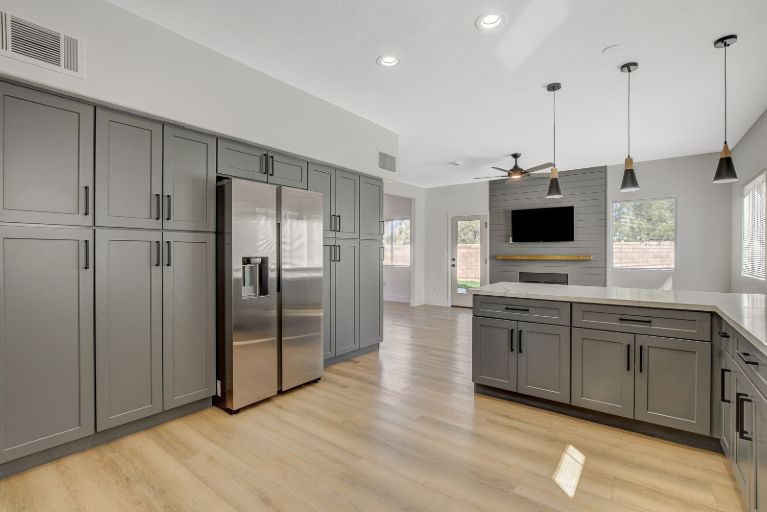
Las Vegas rental property Owner reviewing long-term rental performance
Since 2010 Long-term residential property management throughout the Las Vegas Valley.
85% Approximate historical renewal rate for leases classified as eligible for renewal.
<0.01% Historical eviction rate across the managed portfolio.
$0 Maintenance markup and separate maintenance coordination fee.

Renewal and eviction figures are based on internal Rice Real Estate & Property Management records since 2010. Historical performance does not guarantee the outcome of an individual property, Applicant, Resident, lease, repair, renewal, or investment. For current fees and included services, review our Pricing & Services information.


Las Vegas rental property managed by Rice Real Estate & Property Management

Profit Protection Means Reducing Preventable Loss, Not Refusing to Spend

I look at rental profit as the result of hundreds of small decisions made over the life of the property. A property manager cannot guarantee appreciation, occupancy, rent growth, or an investment return. What experienced management can do is recognize avoidable risk sooner and help keep a manageable issue from becoming a more expensive one.

A cheaper decision and a lower-cost result can be two different things.

Necessary repairs, safety work, property preparation, and capital replacements are part of rental ownership. I would rather explain why an Owner should spend money on the correct repair today than save a small amount now and pay for the same problem again after it causes additional damage or disruption.

The same thinking applies to leasing. Holding out for a higher asking rent can create more vacancy than the increase is worth. Avoiding a reasonable renewal can create turnover expense. Choosing a vendor solely because one estimate is lower can create another service call if the diagnosis was incomplete.

The financial question is not simply, "How much does this cost today?" It is also, "What is likely to happen next if we make this decision?"

A property manager does not protect profit by refusing to spend money. The manager protects profit by knowing when an expense is necessary, when it is avoidable, and when waiting may cost more.

Heidi Rice, Rice Real Estate & Property Management

Good financial outcomes depend on the operating decisions behind them. For more about how those decisions are made and when an Owner should be involved, see The Decisions Behind Great Property Management .

Where Preventable Rental-Property Loss Usually Appears

Most of the avoidable losses I see are not caused by one dramatic mistake. They are usually smaller decisions that repeat: pricing a property above what the market is supporting, sending the wrong trade, repairing the same failing item again, missing an early warning sign, or making a renewal decision without considering the cost of the turnover that may follow.

Rental Pricing and Vacancy

A higher asking rent is not automatically a higher-return strategy. If the home sits longer, the Owner may lose more in vacancy than the proposed rent increase would have produced over the lease term.

See the vacancy and turnover cost analysis .

Applicant Screening Risk

I do not want one score or one report making a housing decision for us. Income, debt, rental history, supporting documents, adult occupants, financial reserves when relevant, and inconsistencies can all change how we evaluate the risk in a complete Applicant file.

Review the Rice Real Estate & Property Management tenant screening process .

Maintenance Timing

Some reports can be resolved safely without sending a vendor. Other symptoms are telling us not to wait. Knowing the difference can avoid an unnecessary service call on one property and a much larger repair on another.

See our rental property maintenance approach .

Repair Versus Replacement

I want to know what has already failed, how old the equipment is, what the repair is likely to buy us, whether parts remain available, and how much repeat labor we are risking. The cheapest repair stops being cheap when we keep buying it.

Vendor Selection

I care about the estimate, but I also care about whether the vendor diagnosed the right problem, shows up, communicates clearly, documents the work, and stands behind it. The lowest bid is not a bargain if we have to send someone else back.

Renewal and Turnover Decisions

Current rent, Resident history, market conditions, property condition, Owner plans, proposed terms, vacancy exposure, and turnover cost should be considered together. A renewal decision is a financial decision, not simply a rent-increase decision.

See our Resident retention and lease-renewal strategy .

These decisions do not stay in separate boxes. Pricing affects vacancy. Property condition affects leasing response. Maintenance affects Resident experience. Renewal decisions can create or avoid another turnover. I want the Owner looking at the combined financial result, not winning one line item and losing money somewhere else.

Rental Homes. Managed Right.
Las Vegas Property Management Services Built Around Better Communication
Rice Real Estate & Property Management

What Preventable Financial Loss Looks Like in Practice

These are the situations where experience matters most to me. The first report often looks ordinary. The management value comes from recognizing when the obvious answer is probably not the whole answer.

Maintenance Diagnosis

A Slow Kitchen Drain Was Not Just a Slow Kitchen Drain

A Resident reported a slow kitchen sink. We could have treated it as an isolated blockage and sent someone to clear the immediate symptom. Instead, we considered the surrounding symptoms and what we already knew about the property, which led to a plumbing-camera evaluation.

The evaluation identified a failing section of the exterior sewer line. Addressing the underlying problem kept the work within a planned plumbing project rather than waiting for a larger sewage backup and potential restoration event.

Owner implication Saving money did not mean ignoring the Resident's report or choosing the cheapest immediate fix. It meant recognizing that the symptom was telling us to look deeper before the problem became more expensive.

Applicant Risk

Screening Quality Is a Financial Decision

Rice Real Estate & Property Management uses published Rental Criteria, TransUnion SmartMove, supporting-document review, rental-history verification, adult-occupant screening, and a documented internal 21-point review process for eligible complete application files.

I want the complete file reviewed consistently. A strong credit result does not erase other concerns, and one weaker item should not be interpreted outside the published criteria and the rest of the application.

Across the history of the company, the managed portfolio's eviction rate has remained below 0.01%. This is historical company performance and does not guarantee the outcome of any future Applicant or tenancy.

Owner implication Screening is not administrative paperwork before the lease. The quality and consistency of that decision can affect payment risk, property condition, turnover exposure, and the cost of a failed tenancy.

For longer documented examples of property preparation, leasing, turnover, and management decisions, see the Rice Real Estate & Property Management Case Studies & Portfolio Performance Hub . Those case studies show how property condition, timing, leasing, Applicant review, and management decisions can affect the result of an actual rental transition.

Rental Homes. Managed Right.
Las Vegas Property Management Services Built Around Better Communication
Rice Real Estate & Property Management

The Lowest Management Fee May Not Produce the Lowest Total Cost

When an Owner compares property-management companies, I do not think the monthly percentage tells the whole story. The real cost also includes vacancy, turnover, leasing charges, renewal costs, maintenance policies, vendor practices, documentation, and how much of the management work eventually falls back on the Owner.

A small difference in management percentage can disappear quickly if one property sits vacant too long, turns over unnecessarily, receives repeated vendor visits, pays a repair markup, or loses the history needed to make the next decision intelligently.

Total management cost = direct management charges + leasing and renewal costs + maintenance markups + vacancy and turnover exposure + preventable operating losses + Owner time
Rental property Owner comparing property management fees and operating costs
The visible management fee is only one part of the rental property's total operating cost.

Vacancy

Lost rent, utilities, landscaping, and delayed placement can cost more than the additional rent an Owner was hoping to gain by holding the price too high.

Turnover

Cleaning, repairs, preparation, leasing, and vacancy make Resident retention financially important when renewal still makes sense for the property and the Owner.

Maintenance Charges

A percentage markup on vendor invoices means the management cost rises as the property's repair spending rises.

Owner Time

Chasing updates, rebuilding repair history, reviewing unclear invoices, and figuring out whether a matter was actually completed all have a cost even when they never appear on the property ledger.

Transparent Maintenance Math

A Zero Maintenance Markup Is Directly Measurable

If an Owner receives $2,000 in independent third-party vendor invoices during a year, a 10% maintenance markup adds $200 and a 15% markup adds $300.

Rice Real Estate & Property Management's maintenance markup is $0, and there is no separate maintenance coordination fee.

Rental Homes. Managed Right.
Las Vegas Property Management Services Built Around Better Communication
Rice Real Estate & Property Management

Good Property History Reduces the Cost of Starting Over

I do not want my team diagnosing the same air conditioner, plumbing line, appliance, irrigation problem, or HOA issue from scratch every time it comes up. The previous repair, vendor findings, Owner decision, photographs, and warranty information should already be part of the next conversation.

01

Recognize Repeat Problems

Prior repair history, photographs, vendor findings, invoices, and equipment information can show whether a new service request is really part of an older pattern.

02

Preserve Earlier Decisions

Owner approvals, declined recommendations, warranty information, previous estimates, and capital plans give the next decision useful context.

03

Avoid the Decision Reset

Useful records let us begin with what is already known instead of spending Owner time and vendor labor rebuilding the property's history every time something changes.

Property history is one part of management quality, but it is not the entire evaluation. Landlords who want a broader understanding of communication, maintenance follow-through, accounting, leasing, documentation, and property oversight can read our guide on how to tell whether a Las Vegas property manager is doing a good job .

The Financial Question Is Total Cost, Not the Cheapest Line Item

Good property management does not make ordinary rental expenses disappear. What it can do is help an Owner spend money for the right reason, recognize avoidable risk earlier, preserve the property's history, and make decisions with vacancy, turnover, maintenance, Resident stability, and long-term ownership cost in mind.

That is why I would never judge a property-management company by the management percentage alone. I would want to know what happens after the fee is paid and whether the decisions being made actually protect the Owner's position over time.

Talk Through the Financial Decisions Behind Your Las Vegas Rental

Every rental has a different history, condition, Resident situation, HOA, maintenance profile, and Owner goal. Rice Real Estate & Property Management works with long-term rental Owners throughout the Las Vegas Valley, including Las Vegas, Summerlin, and Henderson, Nevada. If you want to talk through the decisions affecting your property, we can review the management needs with you before you decide whether we are the right fit.

Historical company results do not guarantee the outcome of an individual property, Applicant, Resident, lease, repair, renewal, or investment. Property-management recommendations depend on the property, market conditions, lease terms, Owner instructions, property history, vendors, HOA requirements, and other property-specific circumstances.

Heidi Rice
Heidi Rice
NV Broker and Property Manager
www.ricelasvegas.com/about/

Heidi Rice is the broker and lead property manager at Rice Real Estate & Property Management, serving owners of long-term residential rental properties throughout the Las Vegas Valley, with a primary focus on detached single-family rental homes.