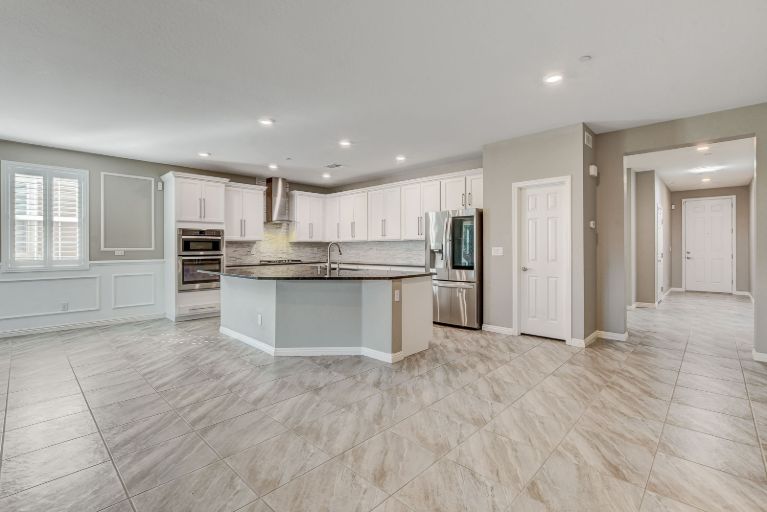
Being ready to become a landlord means more than whether the expected rent covers the mortgage. A Las Vegas homeowner also needs enough financial room for vacancy, repairs, turnover, deductibles, and major property expenses, plus the willingness to make decisions when those costs arrive.
In my experience, one of the clearest warning signs is an Owner with no meaningful reserves whose property is already expected to run roughly $200 to $500 negative per month after management fees. The monthly shortfall alone does not automatically make long-term ownership a bad decision. The concern is combining negative cash flow with no cushion for the normal costs of owning a rental.
Readiness is emotional as well as financial. Another household will live in the property differently, and upgrades, landscaping, finishes, and other features may not look exactly the same years later. A good long-term rental Owner understands those realities and still genuinely wants to own the property.
Homeowner-to-Landlord Readiness
What Does Being Ready to Become a Landlord Actually Mean?
You should be able to absorb uneven years, accept normal rental use, make timely property decisions, and continue wanting the investment after the risks and expenses are understood.
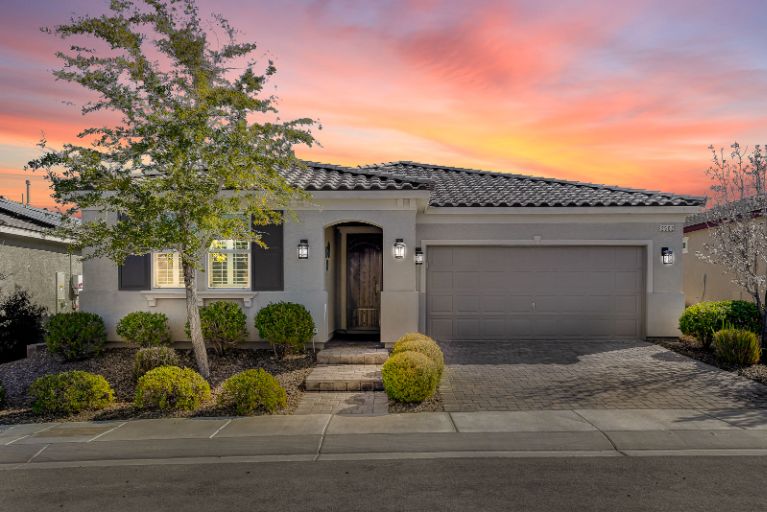
The Rent-or-Sell Decision Comes First. Landlord Readiness Comes Next.
If you have decided, or are strongly considering, keeping the property, the next question is whether you are prepared to become a long-term rental landlord. If you are still weighing whether keeping the home or selling it makes more sense, see our Las Vegas rent-or-sell decision guide .
A house can have good rental potential while the Owner is still underfunded, emotionally unprepared, or uncomfortable with the decisions that come with being a landlord. Readiness means looking beyond whether the home can rent and deciding whether long-term rental ownership fits your finances, the property, and the way you want to own it.
The Readiness Standard I Use
An Owner is generally better suited to long-term rental ownership when they have financial reserves, understand that expenses will not arrive evenly, can make timely repair and replacement decisions, and genuinely want to learn how to be a landlord. Professional management can take over much of the recurring work, but it cannot make an underfunded ownership plan financially sound or remove the risks that come with owning the property.
Readiness Area 1
Financial Readiness
Can you carry the home through vacancy, fund repairs and turnover, absorb an insurance deductible or major system expense, and continue owning it during a year when the property does not perform as neatly as the original spreadsheet?
Readiness Area 2
Property Readiness
Do you understand the home's current condition, major systems, deferred maintenance, HOA obligations, landscaping, and other features well enough to know what you are agreeing to maintain over time?
Readiness Area 3
Ownership Readiness
Can you let another household live in the property without expecting every upgrade, finish, landscape feature, or room to remain exactly as you maintained it as your personal residence?
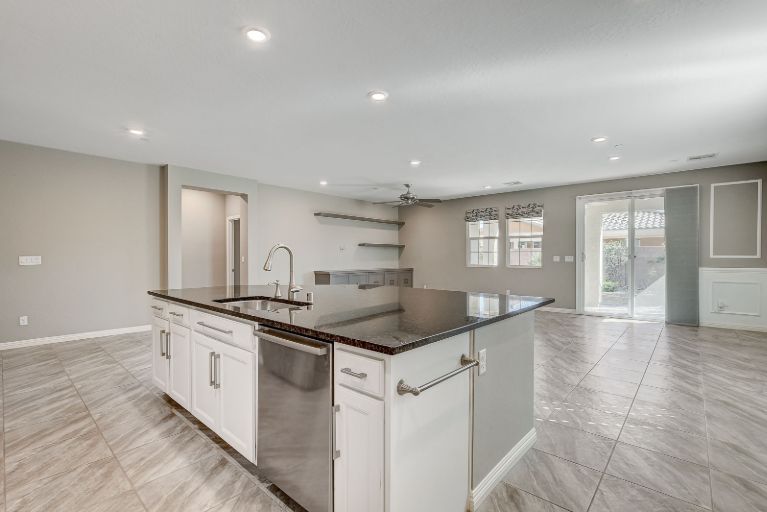
Property Perspective
A Personal Home Has to Become an Operating Rental
Property readiness is not about making a former home perfect. It is about understanding what you own, what it may require, and whether you are prepared to maintain it over time.
Features you valued personally may also need to be viewed differently once another household takes possession. Landscaping, finishes, upgrades, appliances, and other parts of the home will be used and will age. A prepared Owner understands that reality before the first Resident moves in.

Your Lowest Readiness Score Matters More Than Your Average
One weak category can create more trouble than several strong categories can offset. A good rental price does not solve inadequate reserves. Excellent property condition does not solve an Owner who cannot make timely decisions. Professional management does not solve an ownership plan that only works when nothing expensive happens.
Low Financial Readiness
One situation I look at closely is a property projected to run roughly $200 to $500 negative per month after management fees when the Owner also has no meaningful reserves. The monthly shortfall by itself does not automatically mean the property should be sold. An Owner may knowingly accept negative cash flow because there is a longer-term reason for holding the property.
The bigger concern is negative cash flow combined with no financial cushion. That leaves very little room for vacancy, repairs, insurance deductibles, turnover, or a major system failure.
Low Property Readiness
This does not necessarily mean the house should not become a rental. It means the condition, repair scope, major systems, HOA requirements, or other property obligations are still too uncertain to establish a responsible marketing date.
Once the ownership decision is made, use our guide to renting out your Las Vegas home to work through the physical preparation before marketing.
Low Ownership Readiness
Emotional attachment becomes an operating issue when an Owner expects upgrades, landscaping, flooring, finishes, or other house features to remain exactly as they were during personal occupancy. Another household will use the property differently.
That does not mean damage should be ignored. It means a rental Owner needs to distinguish actual Tenant damage from the normal aging and use that occur while another household lives in the home.
Owner Perspective
Wanting to Be a Landlord Matters
Some of the best-prepared Owners are not the ones who already know every answer. They are the ones who genuinely want to own a rental, understand that there are risks and maintenance costs, and are open to learning. Not everyone wants to stomach an expensive turnover, Tenant damage, a major repair, or a tenancy that is simply more difficult than expected. It is better to recognize that before the property is leased.