
Preventive Property Management: How We Teach Residents to Care for Rental Homes

Preventive Property Management: How We Teach Residents to Care for Rental Homes

Las Vegas Valley Property Management

Some of the most effective property management happens before anything breaks.

Teaching residents how to understand and care for the basic systems in a rental home can prevent avoidable service calls, identify problems earlier, and create clearer expectations between the resident, property manager, and Owner.

  • Educate residents before problems occur
  • Catch small maintenance issues earlier
  • Know when professional repair is needed

Our approach: practical resident education is one part of a broader preventive management process for long-term rental houses, townhomes, and condos throughout the Las Vegas Valley.

Preventive property management is often associated with inspections, maintenance schedules, and catching repairs early. Those things matter. But there is another part of prevention that Owners rarely see: what the resident is taught about the home after taking possession.

After managing Las Vegas Valley rental homes for years, we have learned that many preventable problems begin with very ordinary things: a GFCI nobody knew about, an air filter that was not being checked, a drip emitter that stopped watering a plant, or a resident who did not know where to shut off water during a leak.

At Rice Real Estate & Property Management, we use practical resident education to improve the odds that these small issues are recognized, communicated, and handled appropriately before they become larger problems.

What This Does for the Owner

The goal is not to turn residents into repair technicians. The goal is to create a better-informed person living in the home, clearer expectations about routine care, and a faster handoff to professional maintenance when a repair is actually needed.

Las Vegas Rental Homes

Why Resident Education Matters in Las Vegas Rental Homes

A property manager can document a home at move-in, visit it during the tenancy, coordinate professional maintenance, and follow up on repairs. What we cannot do is physically observe the property every day.

The resident can.

That makes the resident an important source of information about what happens between property visits. The better they understand the basic operation of the home, the more useful that information can become.

This is especially relevant in Las Vegas, where rental houses can include desert landscaping, irrigation systems, intense summer HVAC use, exterior plumbing components, garage electrical circuits, and other systems that benefit from regular observation.

The Resident Is Usually the First Observer

A resident may be the first person to notice a new leak, different airflow, a tripped outlet, an unusual appliance sound, a dry plant, or water appearing in the landscape where it was not before.

Management Decides What Happens Next

Once the condition is reported, our job is to evaluate the information, ask the right follow-up questions, and determine whether the issue needs simple guidance, monitoring, or a professional vendor.

Why Owners Should Care

Earlier awareness gives us more opportunity to act before a small condition becomes a larger one. Better information also helps us make a more informed decision about what kind of repair or vendor is actually needed.

What We Actually Teach

What We Teach Before Small Problems Become Bigger Ones

We keep resident education practical. A resident does not need to understand how to repair a plumbing system or diagnose an air conditioner. They do need to know enough about the home to recognize common conditions and respond appropriately.

Depending on the property, that may include:

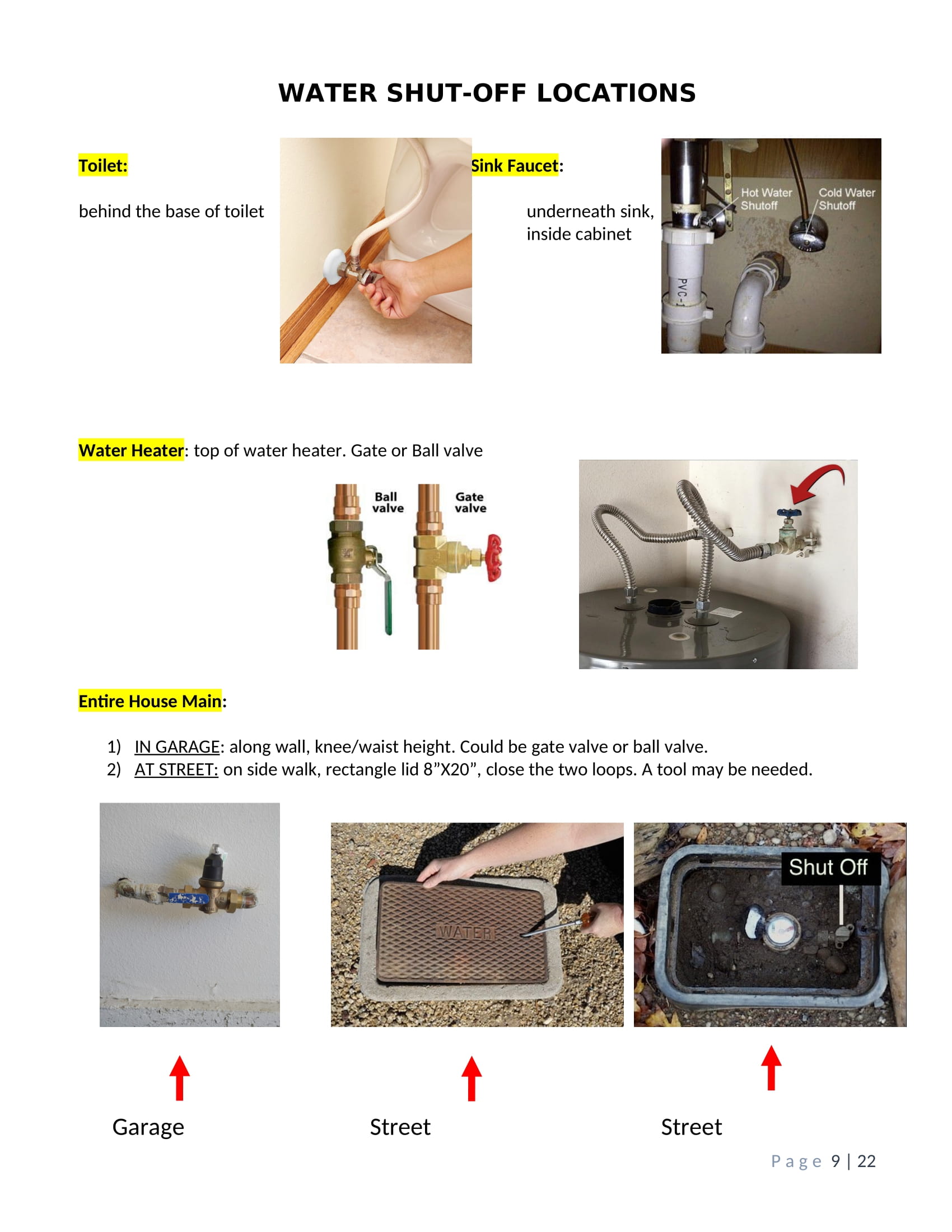
  • Where important fixture and main water shut-offs are located.
  • Where common GFCI outlets and the electrical panel are located.
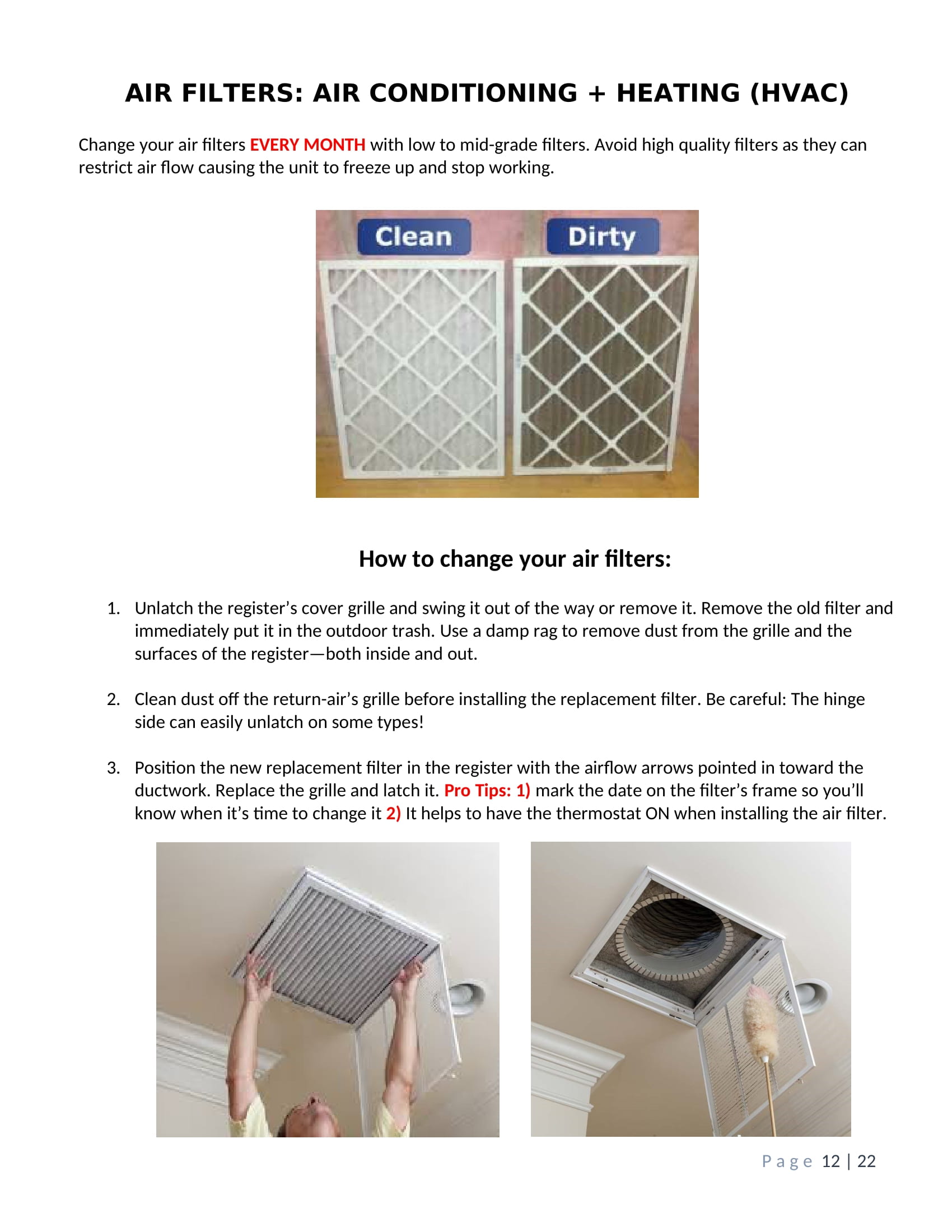
  • Where HVAC filters are located and the routine replacement expectations for the home.
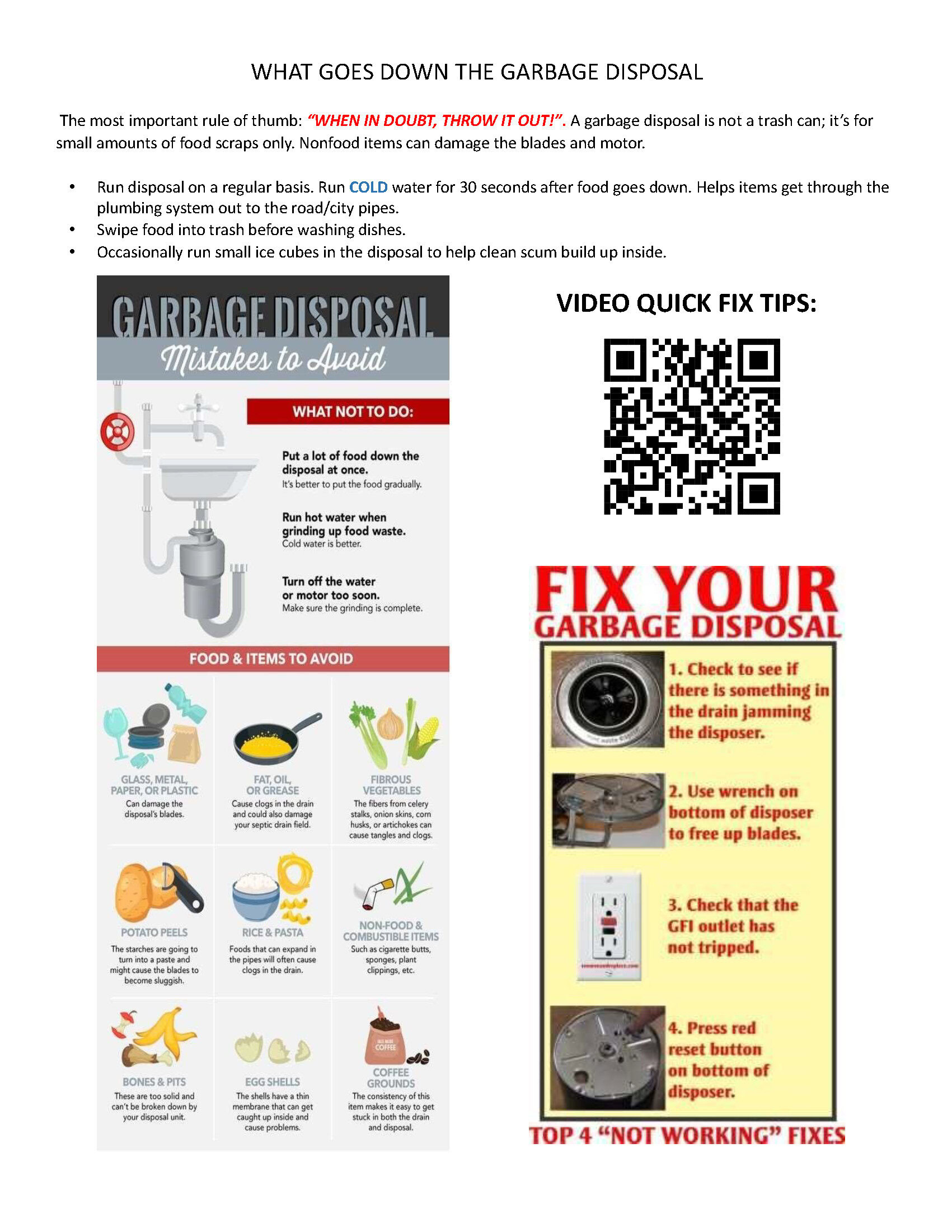
  • Basic drain and garbage-disposal habits that help reduce preventable plumbing stoppages.
  • What to watch for around desert landscaping and drip irrigation.
  • How to recognize when a routine household issue has become a maintenance problem that should be reported.
  • How useful photos, video, exact locations, and clear descriptions can improve a maintenance request.

None of these lessons is complicated. That is exactly why they matter. In our experience, preventive management is often less about one big action and more about ordinary things being understood before they become urgent.

Our Preference

We would rather show a resident where the air filter, water shut-off, GFCI, or irrigation controller is while everything is working normally than introduce it for the first time during a maintenance problem.

How We Do It

Resident Education Does Not Stop at Move-In

Move-in already involves a lease, keys, utilities, condition documentation, community information, and many other details. Expecting a resident to remember every home-care instruction from one conversation is unrealistic.

We prefer to reinforce the important information at different points during the tenancy.

1

Move-In

Lease documents, move-in documentation, property information, and resident resources establish expectations from the beginning.

2

Early-Tenancy QA

Our Quality Assurance process provides another opportunity to observe the home, answer questions, and reinforce important property-specific information.

3

Ongoing Guidance

Written resident resources allow important information to be revisited when it becomes relevant instead of depending on what someone remembers from move-in.

4

Maintenance Follow-Up

Maintenance requests give us another opportunity to clarify responsibilities, document recurring conditions, and improve future communication about the property.

Resident education works alongside our rental home inspection and Quality Assurance process . One does not replace the other. Property visits give us documented observations at specific points in time. Resident awareness helps us understand what may be happening between those visits.

What This Adds for the Owner

The property's history becomes more than a collection of repair invoices. Resident observations, documented property visits, maintenance requests, vendor findings, photos, and follow-up together create a better record of the home over time.

Examples We See in Las Vegas Rental Homes

Three Small Maintenance Issues That Show Why Resident Education Matters

These are not dramatic property-management problems. They are useful examples precisely because they show how small pieces of information can influence what happens next.

1. The Garage GFCI That Affects Another Part of the House

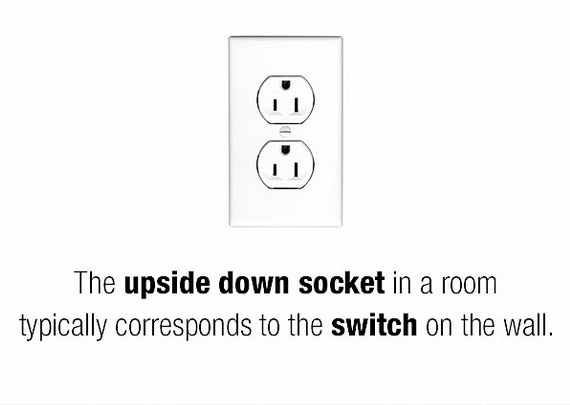
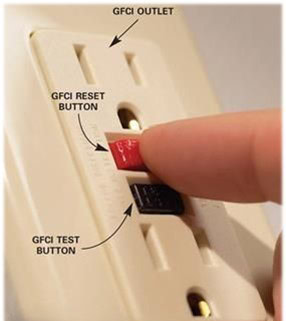
In Las Vegas rental homes, we often encounter GFCI outlets in garages, kitchens, bathrooms, and exterior areas. One GFCI may protect other outlets, so the reset can be located somewhere other than the area that lost power.

Showing residents where these outlets are located can help separate a simple reset from an electrical problem that actually requires a professional.

Garage GFCI outlet used in resident education for a Las Vegas rental home
Knowing where a home's GFCIs are located can make the first troubleshooting step much clearer.
What It Does for the Owner

If the problem is simply a tripped GFCI, an unnecessary electrician dispatch may be avoided. If the reset does not work, we already have better information for deciding what happens next.

2. The Air Filter During a Las Vegas Summer

Air filters are routine household maintenance, but they matter in a climate where air-conditioning systems work hard for much of the year. The resident needs to know where the filter is located and understand the replacement expectation before there is an HVAC problem.

HVAC air filter replacement in a Las Vegas rental home
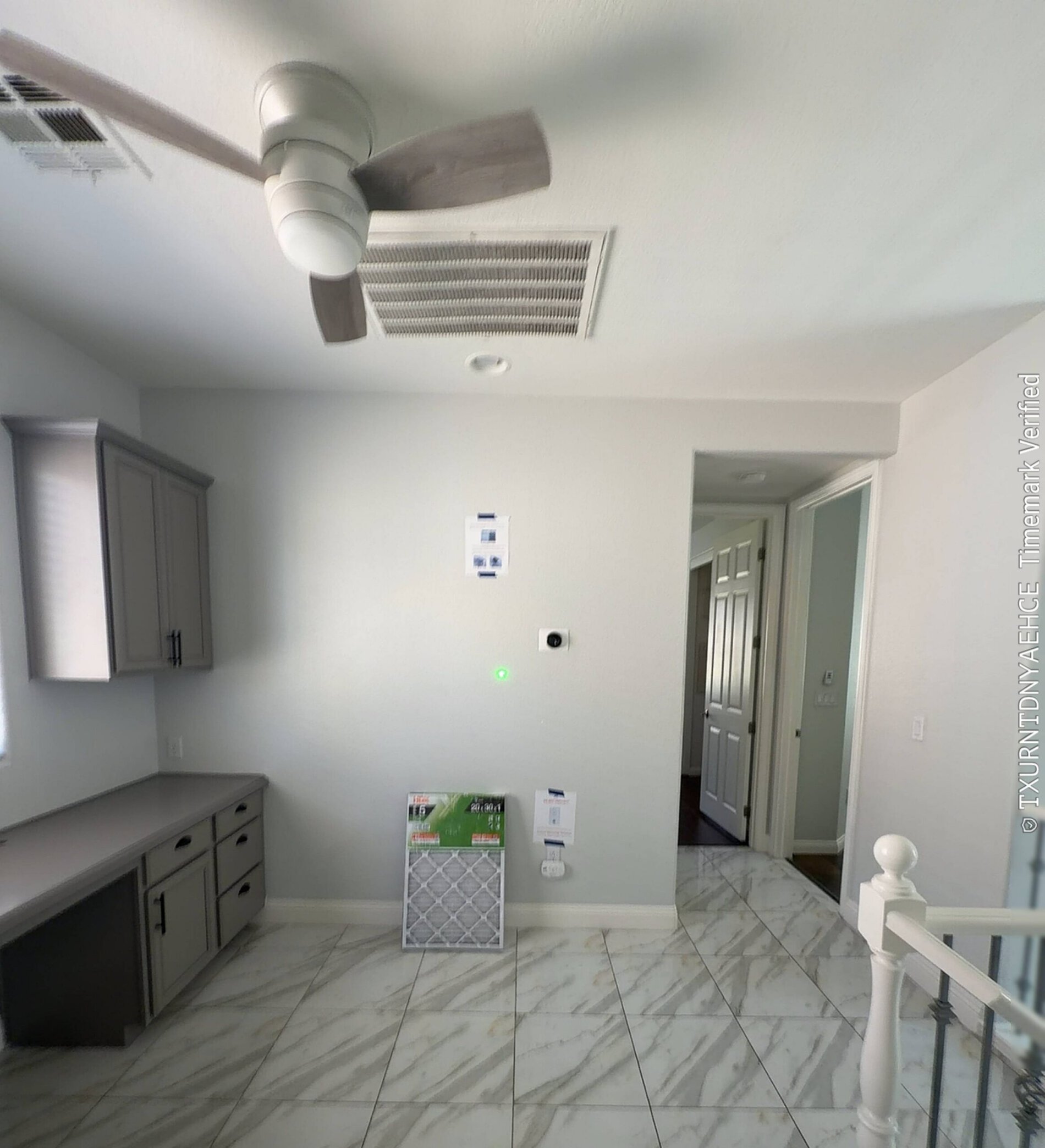
Filter locations and configurations vary by property, which is why property-specific education matters.
What It Does for the Owner

Clear expectations make routine filter care less ambiguous and help us distinguish ordinary resident maintenance from a mechanical HVAC problem that needs professional diagnosis.

3. The Drip Emitter Nobody Notices Until a Plant Is Struggling

Las Vegas desert landscaping creates a different maintenance challenge. Drip irrigation operates quietly, and much of the system is close to the ground or partially hidden by landscaping.

A resident may notice a dry plant, disconnected emitter, unusual wet area, or irrigation running at an unexpected time before the issue would otherwise come to our attention.

Drip irrigation emitter used in Las Vegas rental home landscaping
Drip irrigation is easy to overlook because much of the system operates quietly and close to the ground.

Southern Nevada watering requirements also change seasonally. Residents can reference the Las Vegas Valley Water District mandatory watering schedule when reviewing irrigation settings.

What It Does for the Owner

We are not asking the resident to diagnose an irrigation system. We want them to notice when something looks different and tell us. That can give us an earlier opportunity to protect landscaping and investigate a possible water problem.


Knowing Where to Draw the Line

Where Resident Care Ends and Professional Repair Begins

Resident education only works if the boundary is clear. We do not expect residents to diagnose plumbing, electrical, HVAC, structural, or other professional repair problems.

A repeated breaker trip, active plumbing failure, HVAC malfunction, electrical hazard, underground irrigation failure, or similar condition belongs with an appropriate professional.

What We Ask of the Resident

  • Reasonable routine household care
  • Simple resets when appropriate and safe
  • Attention when something changes
  • Timely reporting of larger problems
  • Clear photos, video, and descriptions when useful

What We Coordinate

  • Professional diagnosis when needed
  • Appropriate vendor coordination
  • Owner communication and authorization
  • Repair documentation
  • Follow-up when additional work is required

Rice Real Estate & Property Management uses independent vendors for professional repair work and does not add a maintenance markup. Owners can see the broader service structure on our Property Management Pricing & Services page.

Why the Boundary Matters

Resident education should improve the information surrounding a repair, not shift professional repair responsibility to the resident. The property manager still needs to exercise judgment about when a vendor should be involved.

Why Owners Should Care

What Better Resident Education Does for the Property Owner

We do not promise that resident education will eliminate repairs. It will not. Equipment ages, plumbing components fail, air conditioners break, and rental homes experience normal wear.

The value is more practical. Good resident education improves the environment in which we make maintenance decisions for the Owner.

Earlier Awareness

A resident who knows what to watch for may recognize and report a developing condition sooner.

Better Information

Photos, video, exact locations, and clear descriptions can help us and the vendor understand the problem before the first visit.

Fewer Avoidable Dispatches

Some ordinary problems can be resolved through an appropriate reset or routine resident task without automatically scheduling a service call.

Clearer Expectations

Residents are less likely to guess about routine care when we have already explained what is expected.

A Better Property Record

Resident observations become part of the home's history alongside inspections, photos, vendor findings, and repair records.

Better Judgment

More complete information gives us a better basis for deciding what needs immediate action, professional diagnosis, monitoring, or routine follow-up.

This Is the Part Owners Rarely See

The Owner usually sees the outcome: the repair, invoice, property visit, or update. Preventive management includes all of the smaller decisions and conversations that happen before that outcome.

See What Our Residents Actually Receive

The Maintenance Guidance We Give Our Residents

We think Owners should be able to see what we mean when we say we educate residents. It should not be a vague marketing claim.

Resident Resource

Rental Home Maintenance Guide

Our resident-facing guide explains practical care and common troubleshooting for plumbing, water shut-offs, GFCIs, air filters, safety equipment, landscaping, irrigation, and other common rental-home systems.

It intentionally stays focused on caring for the home. Broader tenancy policies and procedures remain in the Resident Handbook.

Making this guidance available publicly gives everyone the same reference point. The resident can return to it when a question comes up, our team can reinforce the same information, and the Owner can see what residents are being taught about caring for the home.

Our Approach to Preventive Management

In Property Management, the Small Decisions Add Up

Property Owners naturally see the major events: a tenant placement, repair invoice, property visit, lease renewal, or monthly statement.

Much of property management happens between those visible moments. It is the resident who mentions something unusual before it becomes urgent. It is the maintenance request with useful photos. It is knowing whether a problem needs an electrician, plumber, HVAC technician, landscaper, or simply a little more information first.

Teaching residents how to care for and observe the home is one part of that process. Combined with documented property visits, professional repair coordination, good communication, and follow-up, it gives us more information with which to make decisions for the Owner.

How We Think About It

Great property management is a craft. It is a record of small decisions made consistently, with fewer things being left to chance.

Looking for a More Preventive Approach to Managing Your Las Vegas Rental?

Rice Real Estate & Property Management provides long-term management for houses, townhomes, and condos throughout the Las Vegas Valley. Our Owner Briefing explains how we approach tenant placement, maintenance, property oversight, communication, and long-term management.

Heidi Rice
Heidi Rice
Broker and Lead Property Manager
www.ricelasvegas.com/about/

Heidi Rice is the broker and lead property manager at Rice Real Estate & Property Management, serving rental property owners throughout the Las Vegas Valley.